Gas or electric water heater for a Florida home

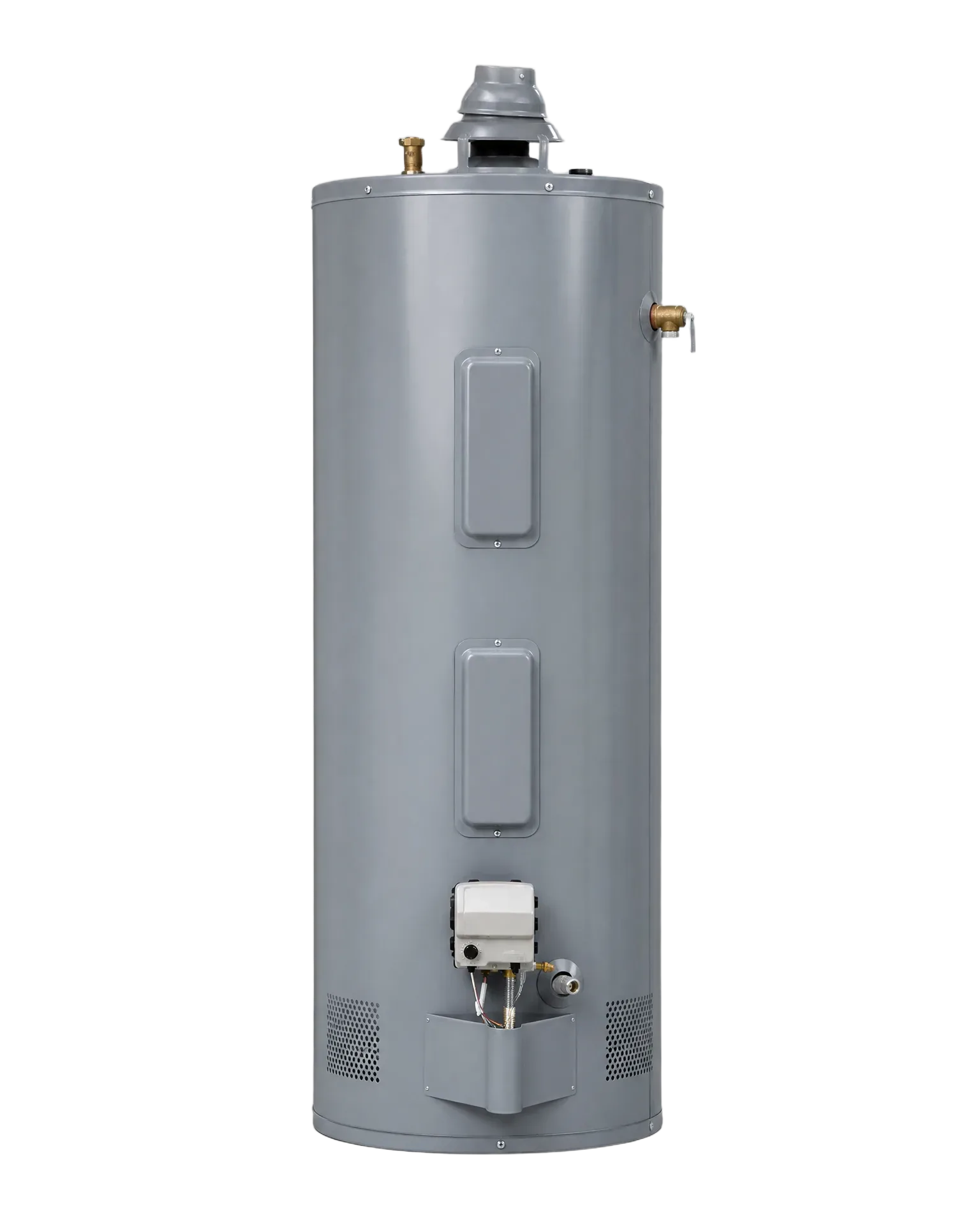
A gray cylindrical gas water heater with a top flue hood, brass fittings, two access panels, a control valve and burner cover, photographed against a plain gray background.
Hand it off

Should I get a gas or electric water heater in Florida?

You're replacing a water heater or putting one into a new setup and aren't sure which fuel makes sense for your home. Most houses in Florida don't have a gas line already run to where the water heater sits, and that one fact tends to settle the question before cost or preference even come into it.

Electric is the right call for most Florida homes

If your home heats with electricity already, there's a good chance no gas line reaches the water heater, and running one just for this adds a cost most homeowners skip. An electric water heater installs anywhere there's a 240-volt circuit, which almost every home already has near the existing unit. Power here is priced in line with the rest of the country, so an electric tank doesn't carry the same penalty it would somewhere with high electric rates. Gas still makes sense if your home already has a gas line run to the water heater, or if you're putting in a tankless unit and want faster recovery. Check what's actually feeding your current water heater before you decide, since that's what makes the choice easy or not.

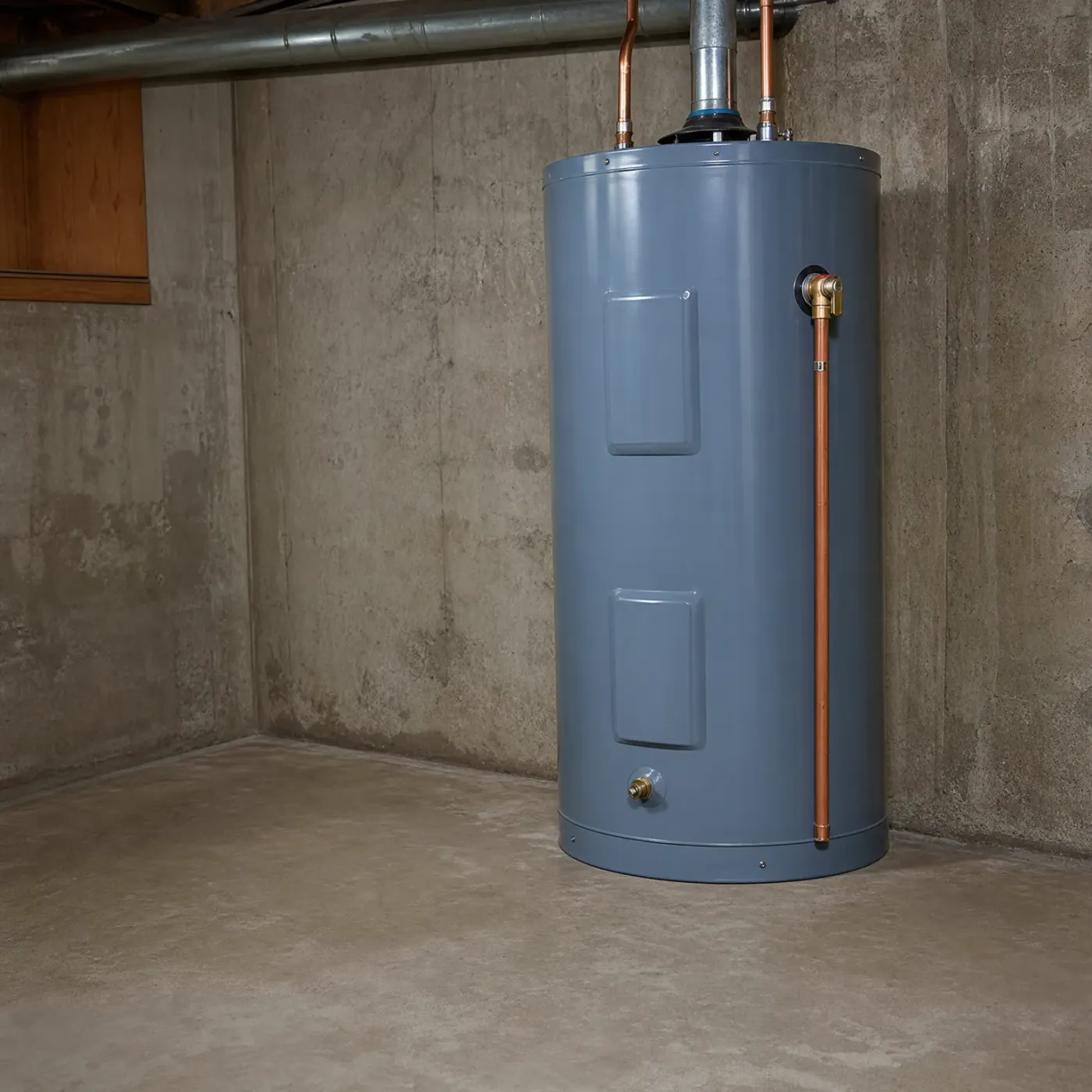
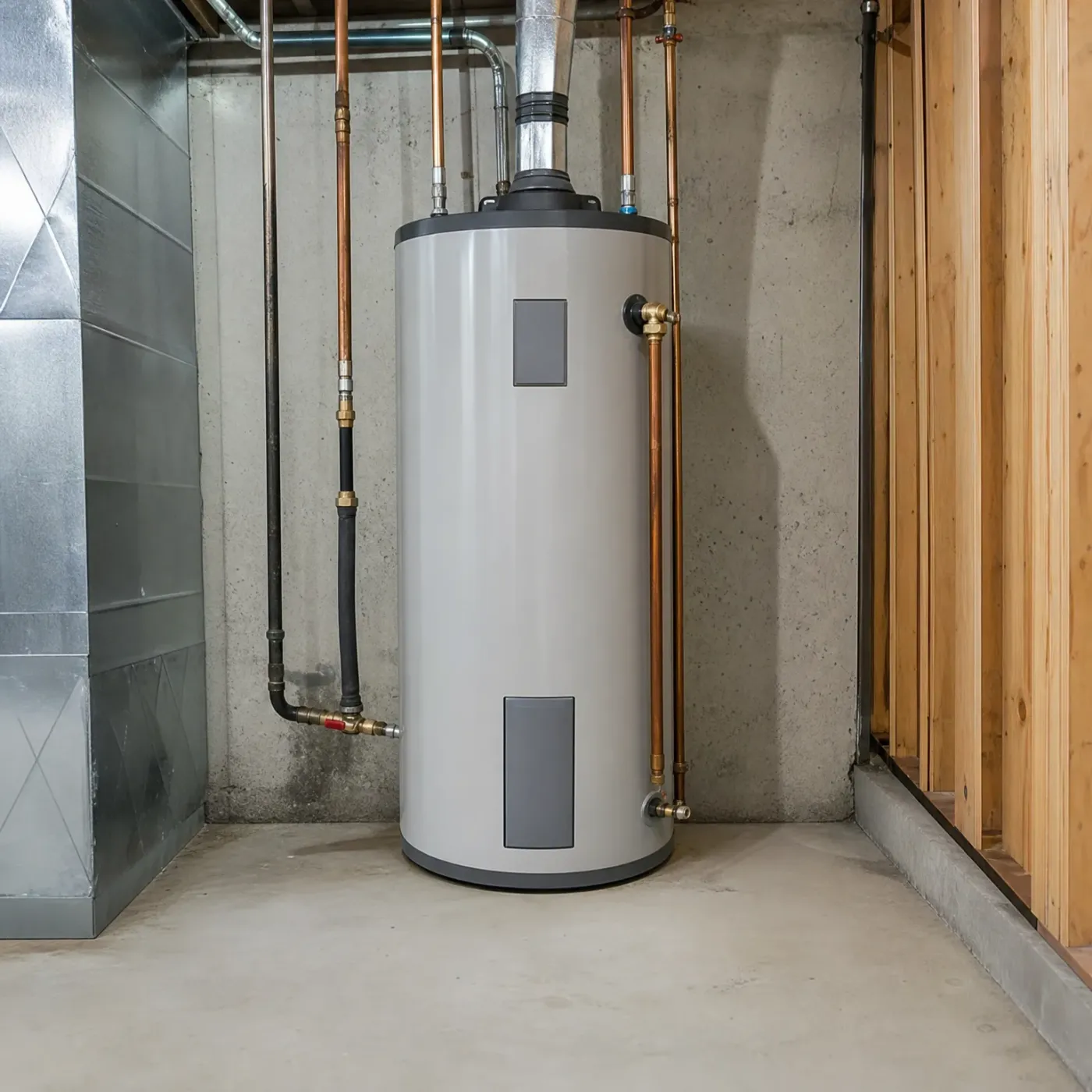
A gray cylindrical water heater standing in a basement corner against a concrete wall, with copper and black pipes, a metal flue, and ductwork nearby, next to wood framing on the right.

What a gas water heater needs

A gas unit needs its own gas line, a shutoff valve, and a flue to carry exhaust outside, like the setup here with copper water lines and a black flexible gas line running to the tank. If your house already has gas plumbed to the water heater spot, installation is straightforward. If it doesn't, someone has to run a new gas line before the tank goes in.
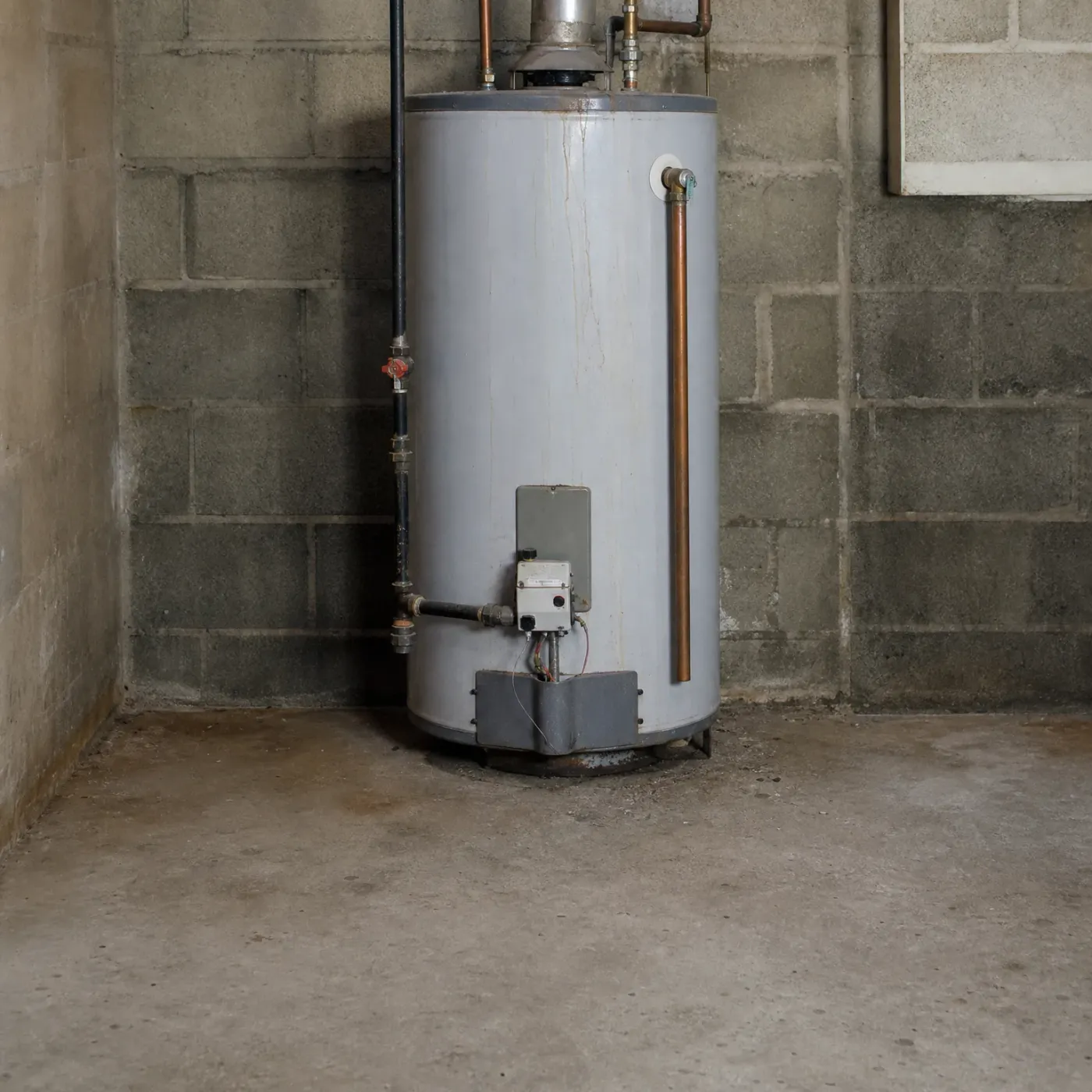
A gray cylindrical gas water heater with copper and black pipes stands in the corner of a basement with concrete block walls and a bare concrete floor.

What goes wrong without the right setup

This tank sits on black iron gas pipe with a gas valve and control unit at the base, parts that don't exist on an electric water heater. A loose fitting, a bad valve, or a flue that isn't drafting right are gas problems only, and they're why gas installation calls for someone licensed to work with gas lines and venting, not just water pipes.

What's making you ask gas or electric right now

If you're replacing what's already there, look at what you have now before you decide what's next. A gas tank in a closet or garage has a flue pipe running up through the roof and a gas line feeding it. An electric tank just needs the wire. If your water heater sits in a garage or utility closet with no flue anywhere near it, it's electric, and switching to gas means adding a gas line and venting that may not be simple to run in your house. If you're noticing your water heater is slow to recover with a house full of people, or your electric bill climbs during the months you run the AC hardest, that's worth weighing against what it would take to add gas service at all.

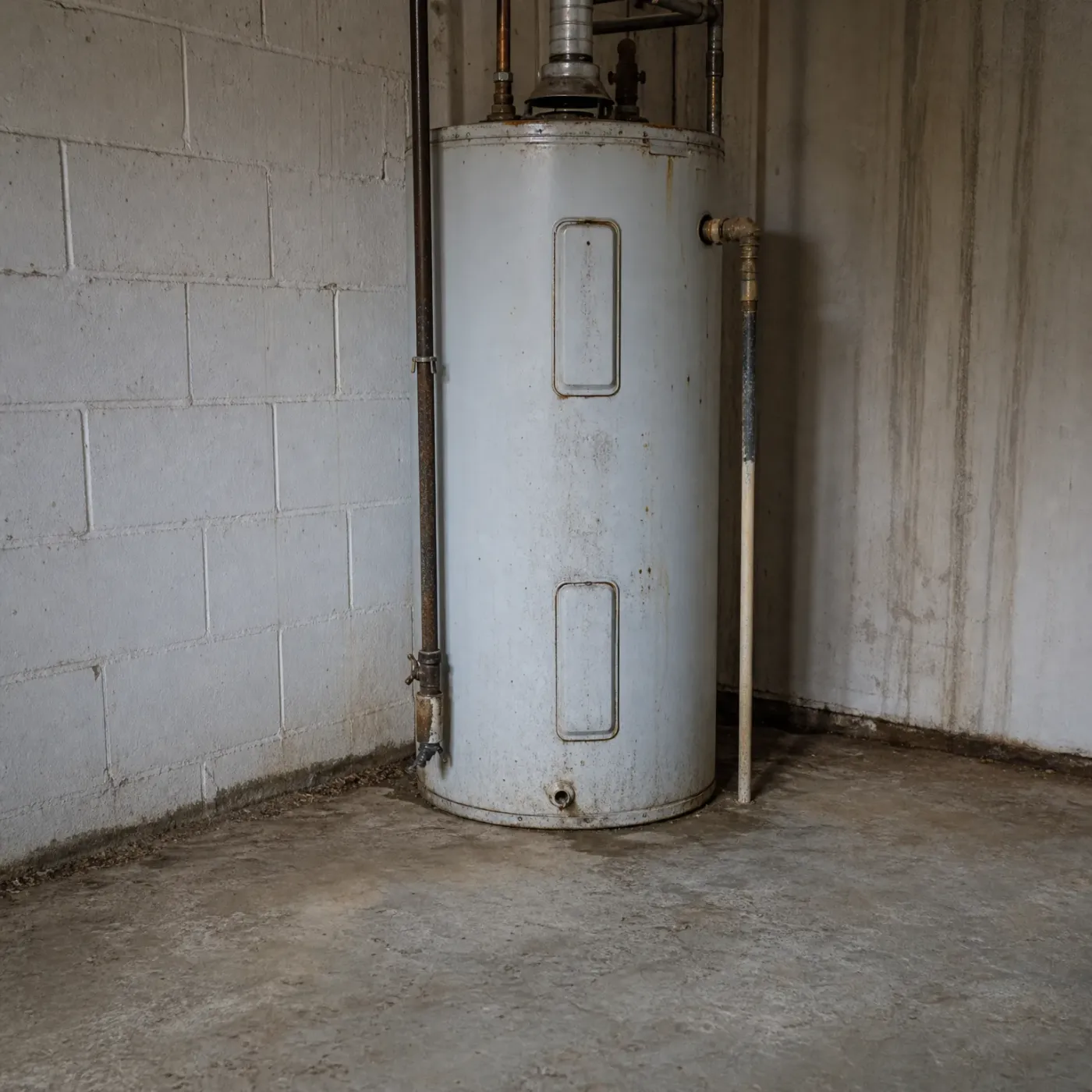
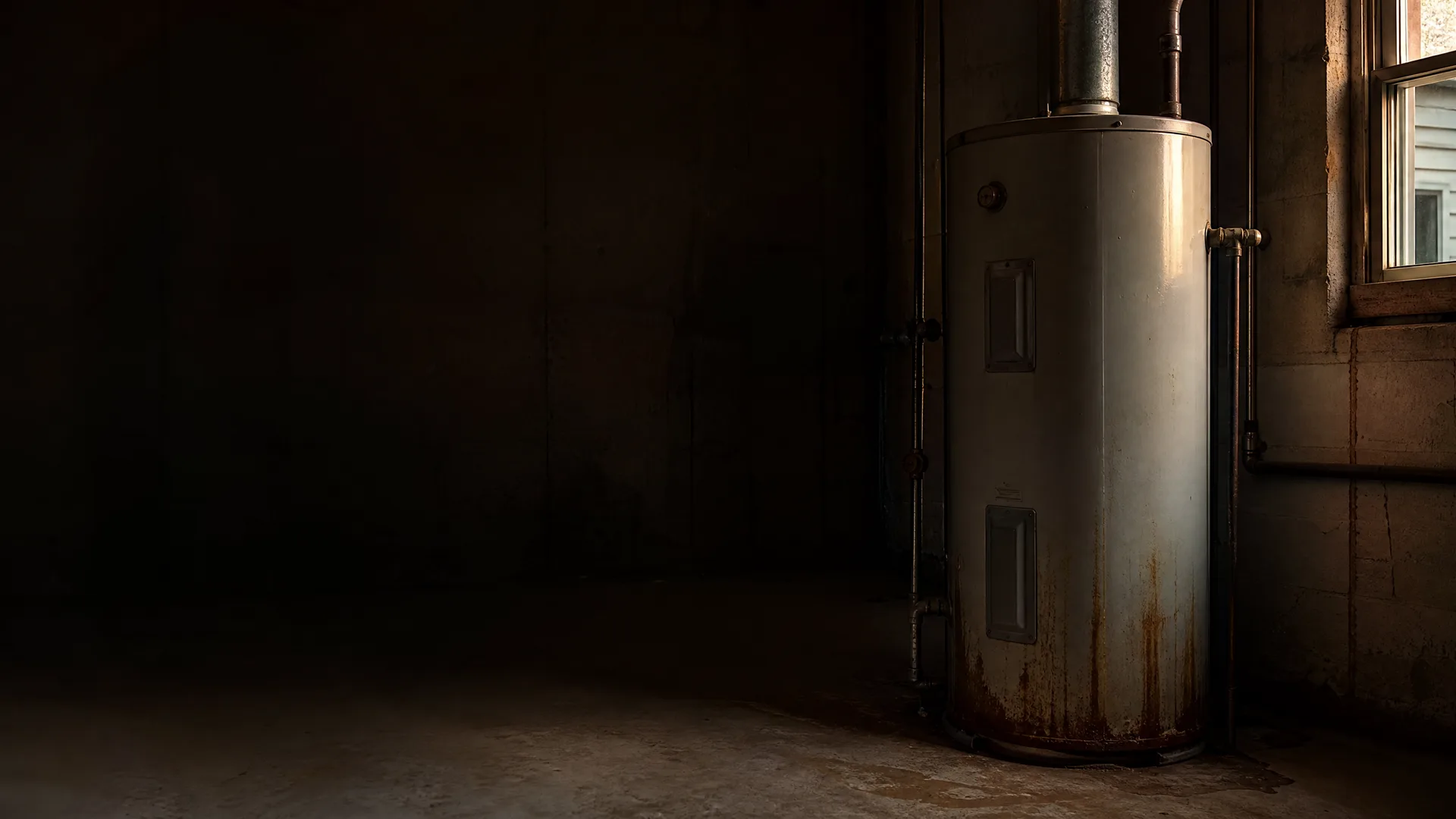
A rusting cylindrical water heater with connected pipes stands against a dim concrete basement wall near a window.

You go down to the utility room after dinner to grab something off the shelf and the floor by the water heater feels damp. You look closer and see the rust streaks running down the side of the tank, pooling where it meets the base. It's humid out, same as every evening this time of year, and for a second you wonder if that's all it is. But the streaks are coming from a seam near the bottom, not from outside air. The tank is old enough that you've been expecting this. You stand there a minute, working out whether it can wait until morning or whether you're calling someone tonight.

Send one request and you're done looking

Once you know which fuel fits your house, the work left is the install itself, and that's a gas line, a flue, venting and code requirements to get right the first time. A local contractor who installs water heaters all year in Florida has seen both setups often enough to know what trips people up, whether that's a flue that needs rerouting or a gas line that has to be run from scratch. Sending the request means one contractor who covers your area gets it, not a handful of companies competing for the job. That matters here, where a muggy utility room or closet is already a tight space to work in, and whoever shows up should know the layout before they open a panel. You've looked at what you have and what it would take to change it. The next step isn't more research. It's getting someone out to look at your setup and tell you what it actually takes to put the right unit in.

Why electric costs less to run here

Florida power is priced about like anywhere else in the country, so an electric water heater doesn't carry a penalty on the bill the way it might somewhere with expensive electricity. A gas water heater usually runs cheaper to operate than electric, but that gap is smaller when power is priced in the normal range. The install cost difference, not the monthly bill, usually decides which one makes sense once you're in this situation. If your house already has a gas line run to the water heater, that install cost drops and gas starts to make more sense.

Why most homes here install electric

Most houses in Florida heat with electricity, and that shows up in what's already run to the utility room. A gas line and a flue take work to add if they aren't there, while an electric water heater just needs a 240 volt circuit, which is usually already in place from the old tank. That's why electric ends up being the straightforward swap for most homes replacing what's there, and why gas usually only makes sense when the gas line already exists or the house runs gas appliances elsewhere, like a stove or a dryer.

A woman with shoulder-length brown hair wearing a beige knit cardigan sits in a gray upholstered armchair near a window, looking off to the side with a slight smile, with bookshelves blurred in the background.
A woman and a sleeping child wrapped together in a cream knitted blanket on a couch, with a potted plant, framed photo and lit lamp in the background.
A gray cylindrical water heater standing on a concrete floor in a basement corner, with copper pipes and a metal duct running overhead along bare concrete walls.

Working fine

A water heater like this is doing its job. Copper lines and the vent pipe are tight at the top, and there's no sign of rust at the base or the seams. A tank in this shape just needs its anode rod checked every so often to keep it this way.

A white cylindrical water heater with rust stains and two access panels stands in a basement corner between a painted concrete block wall and a bare concrete wall, with metal pipes running up and alongside it on a concrete floor.

Past its life

Rust streaked down the tank and pooled at the base means the steel has given out from the inside, and that doesn't get better. Once corrosion shows on the outside like this, the tank can fail without warning. A licensed installer can get a new one in before it does.

Gas vs. Electric: Weighing Your Options

Gas

  • Recovery is faster, so a full tank of hot water comes back sooner after a shower or a load of laundry.
  • It needs a gas line run to the spot, a shutoff valve, and a flue to carry exhaust outside.
  • If a storm knocks the power out, a gas water heater with a standing pilot keeps making hot water.
  • Most Florida homes don't already have gas plumbed to the water heater, so adding it is its own job before the tank goes in.
  • Venting has to be done right, since the flue is what gets the exhaust out of the house safely.

Electric

  • Most houses in Florida are already wired for it, since most homes here heat with electricity to begin with.
  • Installation doesn't need a gas line or a flue, just the electrical connection to the tank.
  • Florida power is priced about like anywhere else, so running an electric tank doesn't cost more here than it would in most states.
  • Recovery is slower than gas, so a big draw of hot water back to back can take longer to catch up.
  • After an outage, most electric water heaters come back on by themselves once the power returns, no relighting involved.
A man with grey hair and stubble in a dark sweater sits on a grey sofa indoors, looking off to the side, with a potted plant and a sunlit window behind him.
A man with gray hair, a beard and glasses, wearing a dark green sweater, sits on a gray sofa in a sunlit living room with a potted plant, table lamp and wooden sideboard behind him.
A middle-aged man with graying hair and a short beard sits on a blue sofa in a living room, looking toward a window, with a bookshelf, lamp and framed picture in the background.
A man with graying curly hair and a dark green sweater sits on a gray sofa in a sunlit living room, looking off to the side, with a framed picture, shelving, an armchair and a window with sheer curtains behind him.

90.4% of homes statewide heat with electricity

Nine out of ten homes in Florida run on electricity already, which is why most houses here were never set up with a gas line to the water heater in the first place. If yours is one of them, going electric again is usually the simpler install, since the wiring is already where it needs to be.

ACS 2020-2024 5-year B25040

If your house already runs on electric, staying electric is almost always the simpler path, and if gas is already plumbed to the spot, keeping gas makes sense too. Switching fuels is the only case that takes real thought, since it means new line work or a flue where there wasn't one. Either way, the install has to be done right: the line sized correctly, the shutoff placed where it should be, the flue run and vented to code if it's gas, the wiring and venting correct if it's electric. That part isn't something to guess at. A local contractor who installs these in Florida homes all year has seen both setups fail and both setups done well, and knows what a new install needs to pass inspection and hold up in this climate. You'll be matched with one contractor, not a handful calling at once, so the person you talk to is the one who shows up and does the work.

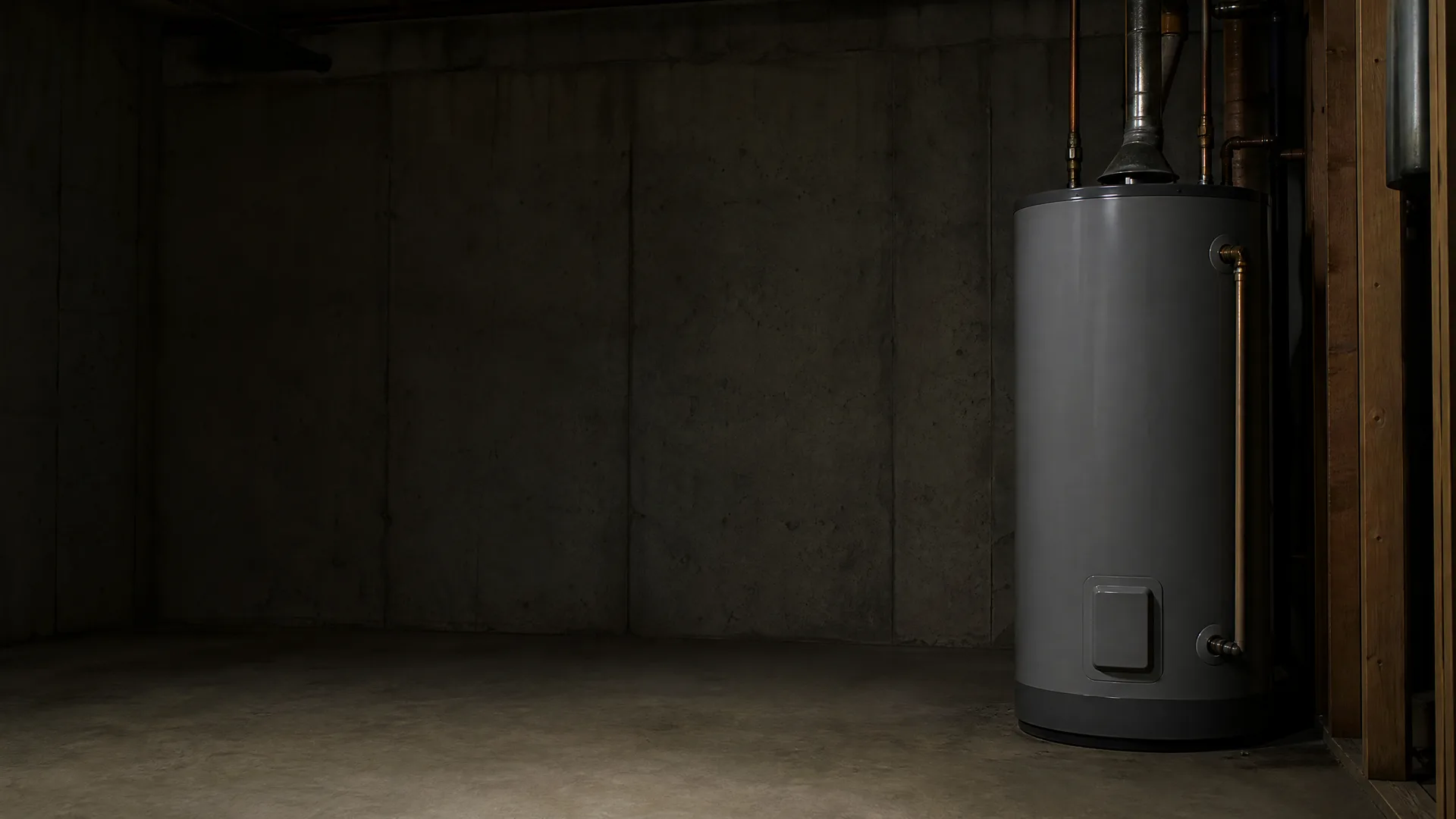
A gray cylindrical water heater with copper pipes and a metal flue stands against a concrete wall in a dim basement with a bare concrete floor.

Finding a pro stops being your job

One installer gets your project, so there's no bidding war over it.

Step 1 of 3: Equipment