



Get Hot Water Florida
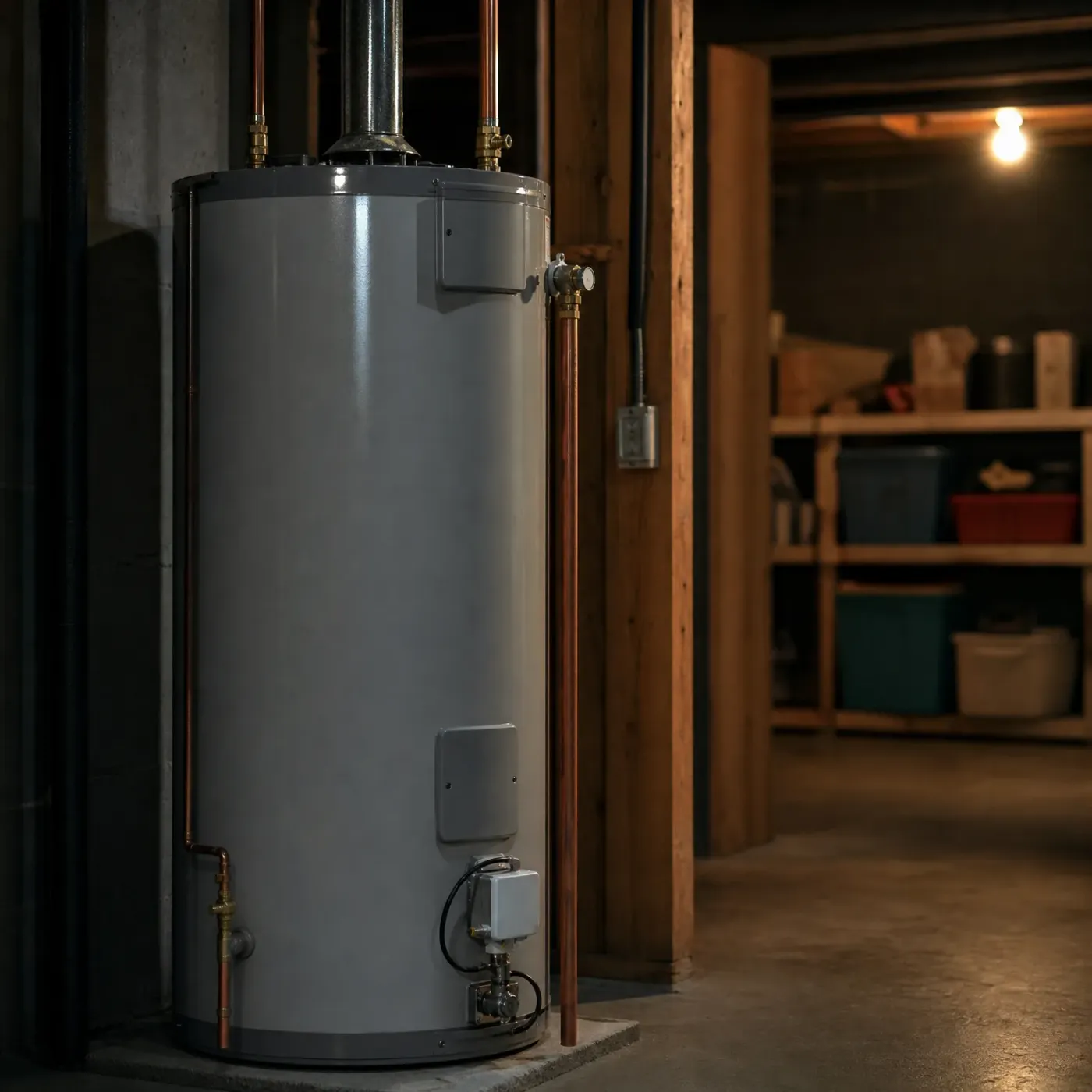
A large gray cylindrical water heater with copper pipes and a metal flue stands on a concrete pad in a dim basement, with wood framing and shelves of storage bins lit by a bare bulb behind it.

The right pro for this job

Is a heat pump water heater worth it in Florida

A heat pump water heater pulls heat from the air instead of generating it directly, and that matters most where electric rates stay steady and the air around the tank is warm most of the year. This page gets into how that works in your house, and what to weigh against your current setup. If you want a straight read on your situation, a local licensed contractor can look at your setup and tell you what makes sense.

Connect with a pro

Yes, in most Florida homes a heat pump water heater is worth it. It pulls heat from the surrounding air instead of generating it with an electric element, and in Florida that air is warm nearly year round, especially if the tank sits in a garage or utility closet. Since most homes here already heat water with electricity, the comparison is simple: the heat pump moves heat rather than making it, so it uses a fraction of the electricity a standard electric tank does to heat the same water. The one place it works against you is a small, enclosed space, since the unit cools and dries the air around it as it runs, which can be uncomfortable in a tight closet without some airflow. For most garages and utility rooms in Florida, that is not a problem, and the lower electric use over months of regular hot water draw is what makes the switch pay off.

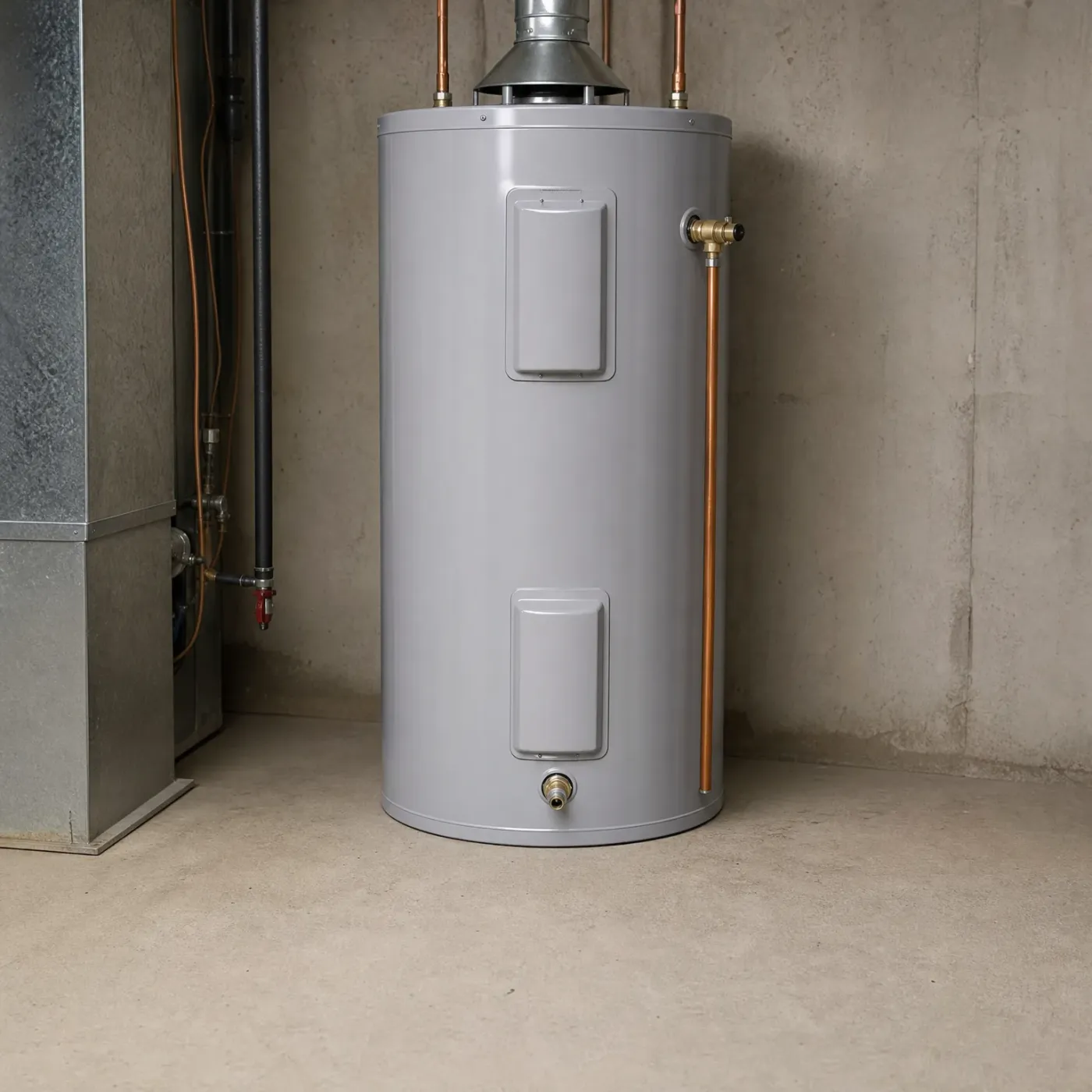
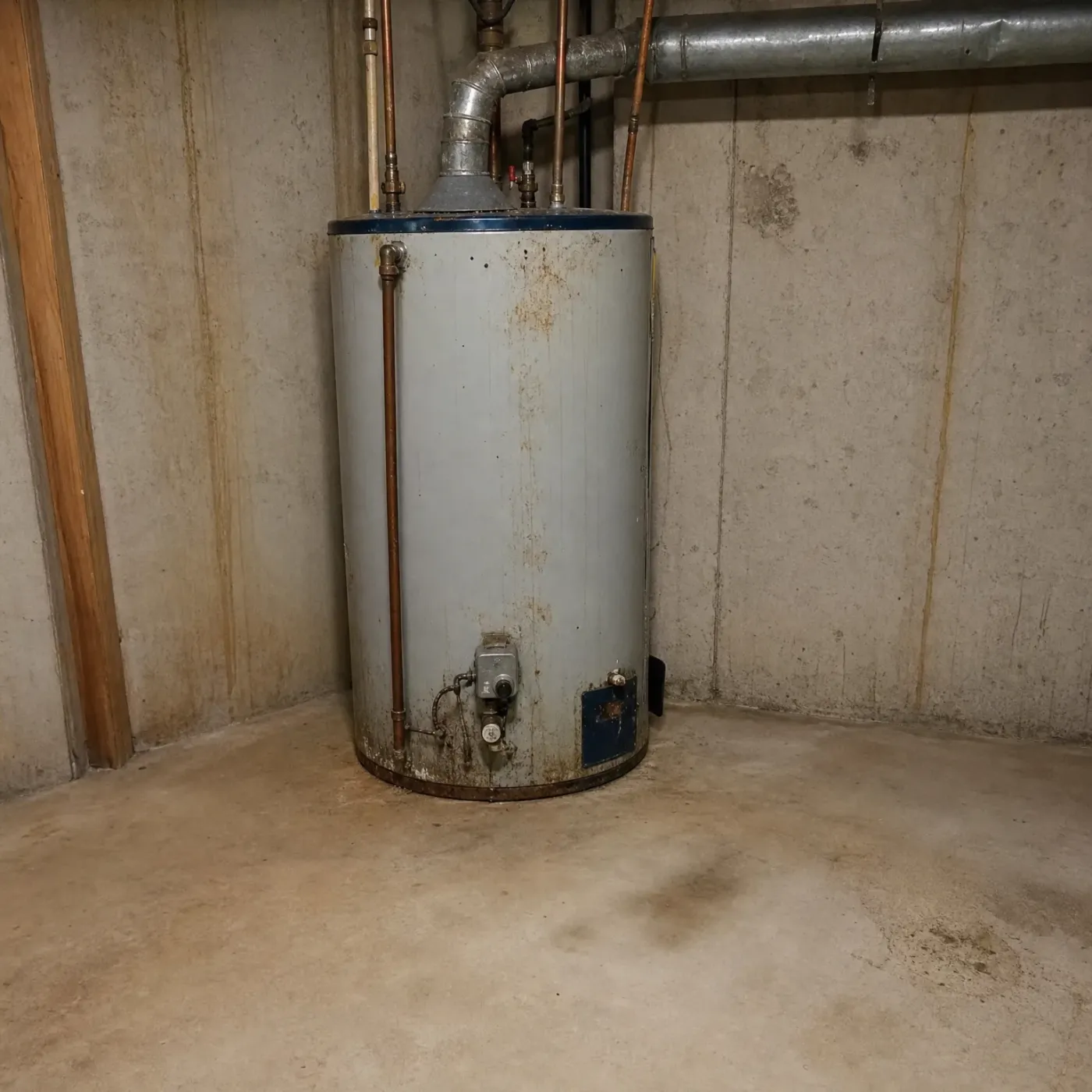
A gray cylindrical water heater with copper piping and a flue stands on a concrete floor in a basement corner beside ductwork and metal equipment.
A standard electric water heater like this one heats water with a submerged element, drawing full power no matter how warm the room around it already is.
An aging gas water heater with rust streaks stands in the corner of a concrete-walled basement, with copper pipes and a metal flue duct running overhead.
A tank in this shape, rusted at the seams with staining on the floor, is past the point where swapping in a heat pump model makes sense on its own.

What is your electric water heater actually costing you

You already know the water heater runs all day, every day, no season off. If it's a standard electric tank, that element kicks on just as often in July as it does in January, and your power bill carries that same load twelve months straight. You might also notice the utility room or garage runs warmer than it should, or the tank itself feels hot to the touch on the outside. If the unit is old enough that you've forgotten when it was installed, that matters too. A tank left to fail on its own terms tends to go at the seams, and water finds the floor before anyone finds the leak.

A woman with long gray hair wrapped in a checked blanket sits on a sofa by a window with yellow autumn foliage outside, with a lamp, framed picture and plant in the background.
An older woman in a cream knit sweater sits on a sofa by a window, looking out at sunlit trees with yellow and orange autumn leaves, with a bookshelf and lamp behind her.
A woman with gray shoulder-length hair in a dark knit sweater sits on a cushioned seat by a window, looking out at yellow autumn foliage, with a living room, armchair, houseplant and framed picture behind her.
An older woman with gray hair in a bun, wearing a cream knit sweater, sits on a sofa with a gray blanket and looks out a large window toward yellow-green autumn trees, with a lit table lamp and dark armchair behind her.

Where the Tank Will Sit

Garage or Utility Closet Install

  • A heat pump water heater pulls heat out of the air around it, so it works best where that air stays warm, like a Florida garage most of the year.
  • It needs room to breathe, usually a few hundred cubic feet of space, so a cramped closet with the door shut most of the day works against it.
  • The air coming off the unit is several degrees cooler than the room, which is a plus in a hot garage and a non-issue in a space nobody sits in.
  • Installing one here means a contractor checking clearance, drain access for condensate, and whether the existing electrical can take the unit's requirements.
  • Ducting the cold exhaust elsewhere is an option in some setups, but it adds complexity a standard tank install never needed.

Indoor Closet Near Living Space

  • A small indoor closet shares air with the rest of the house, so the unit draws heat from a space that's already climate controlled.
  • It will cool and quiet the room around it, which some homeowners notice if that closet is near a bedroom or living area.
  • Space is the main constraint indoors, since the unit needs clearance on every side to pull in enough air to work efficiently.
  • A contractor can tell you whether your closet meets the manufacturer's minimum room volume before any installation starts.
  • Indoor installs sometimes call for louvered doors or a duct kit to bring in enough outside air, which changes the scope of the job.
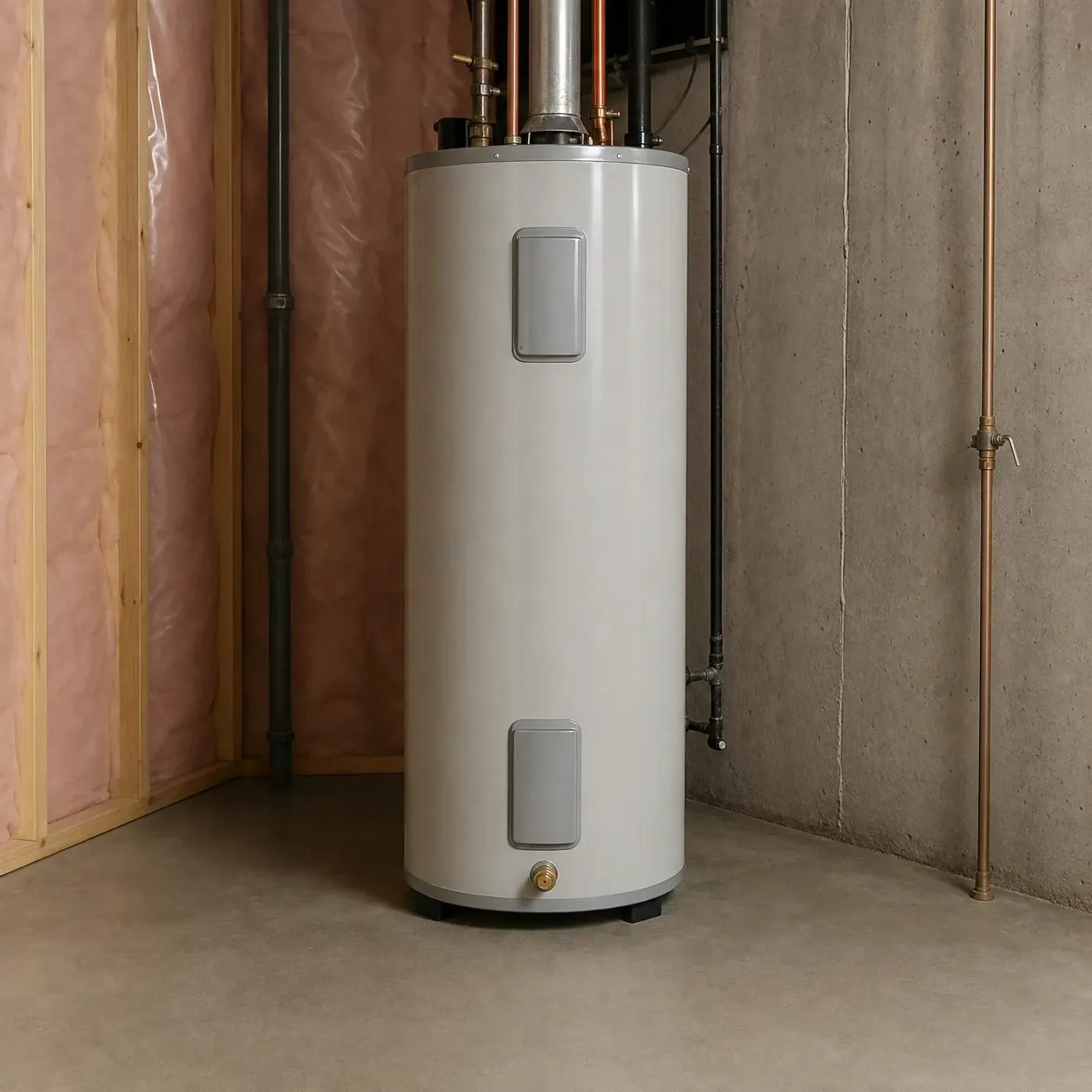
A white cylindrical water heater with two access panels and a brass drain valve stands on a concrete floor in a basement corner, beside a pink-insulated stud wall and a concrete wall with copper and black pipes.

Standard tank, holding up

This is what a standard electric water heater looks like when it's doing fine. Copper and black iron lines run tight to the fittings, the insulation behind the wall is dry, and there's no staining on the floor. A heat pump unit can go in this same spot, as long as the space around it stays warm and has room for air to move.
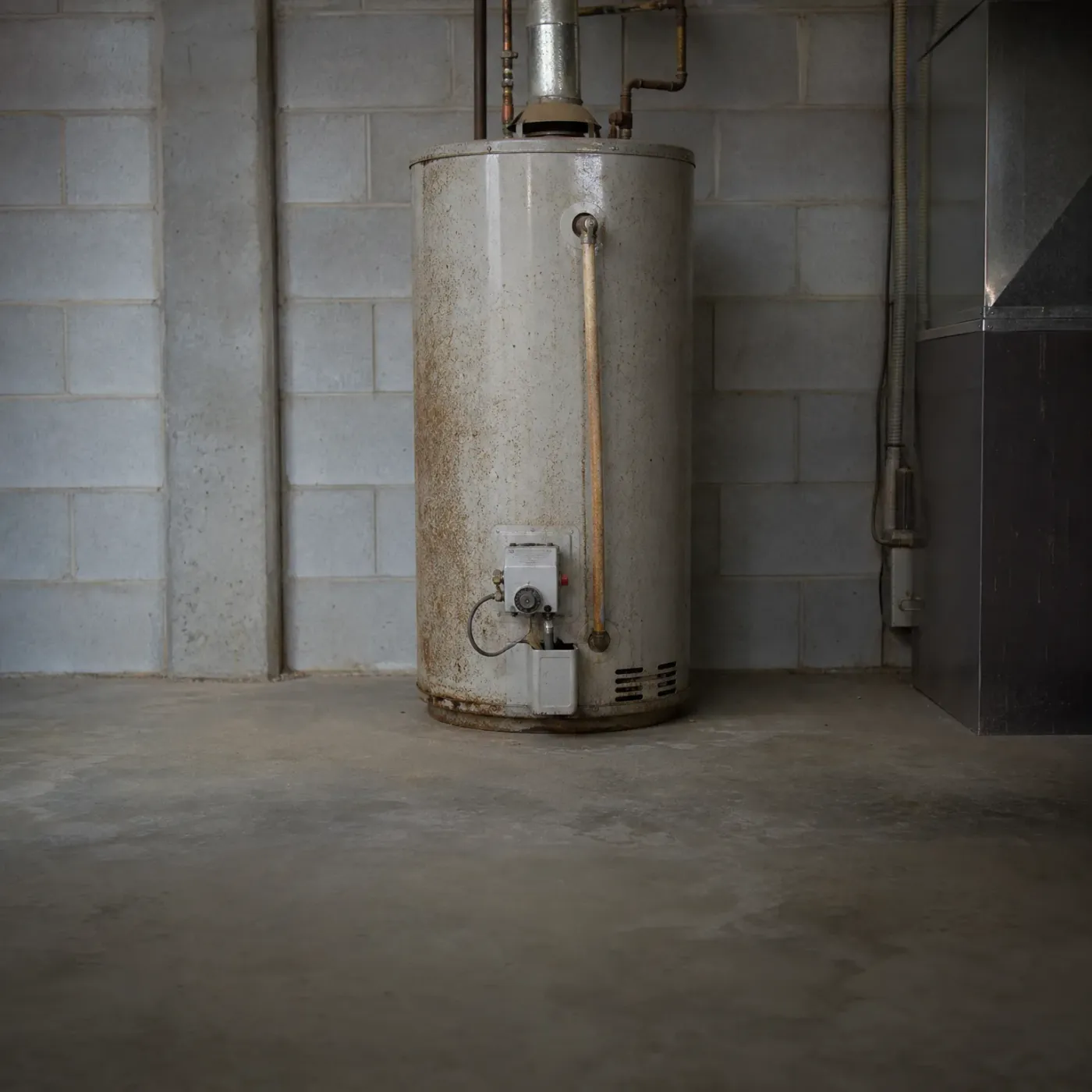
A rusted gas water heater with a flue pipe stands against a concrete block wall on a bare concrete floor, next to a dark metal duct or furnace cabinet at right.

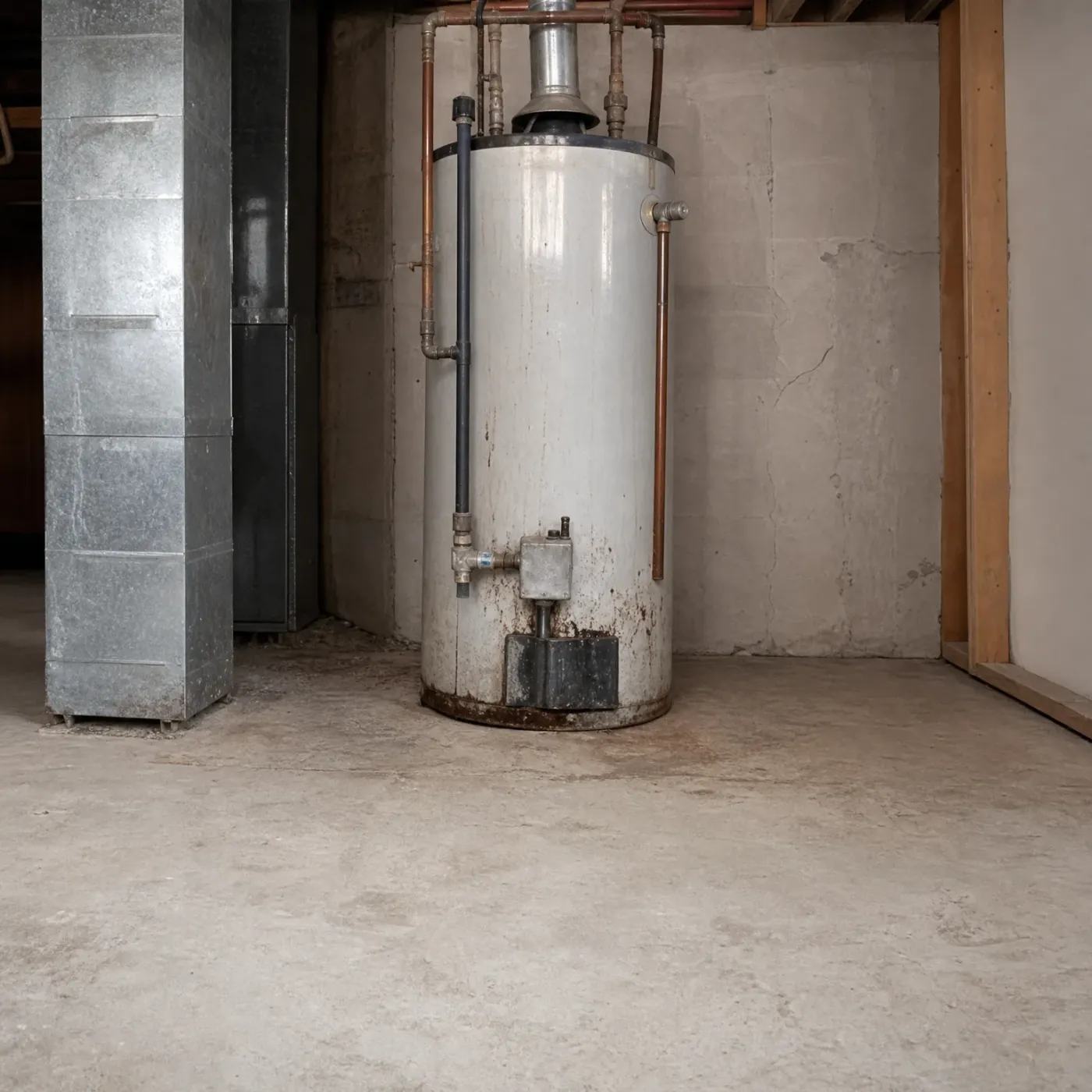
Old tank, past its point

Rust has worked through the seams and the galvanized lines feeding it are original to the tank. Once a water heater looks like this, replacing it with another standard tank just starts the same clock over. Putting a heat pump water heater in its place is worth weighing before this one fails outright.

An old rusting cylindrical gas water heater with copper and steel pipes and a flue stands against a concrete basement wall beside metal ductwork on a bare concrete floor.
Before you get your water heater installation
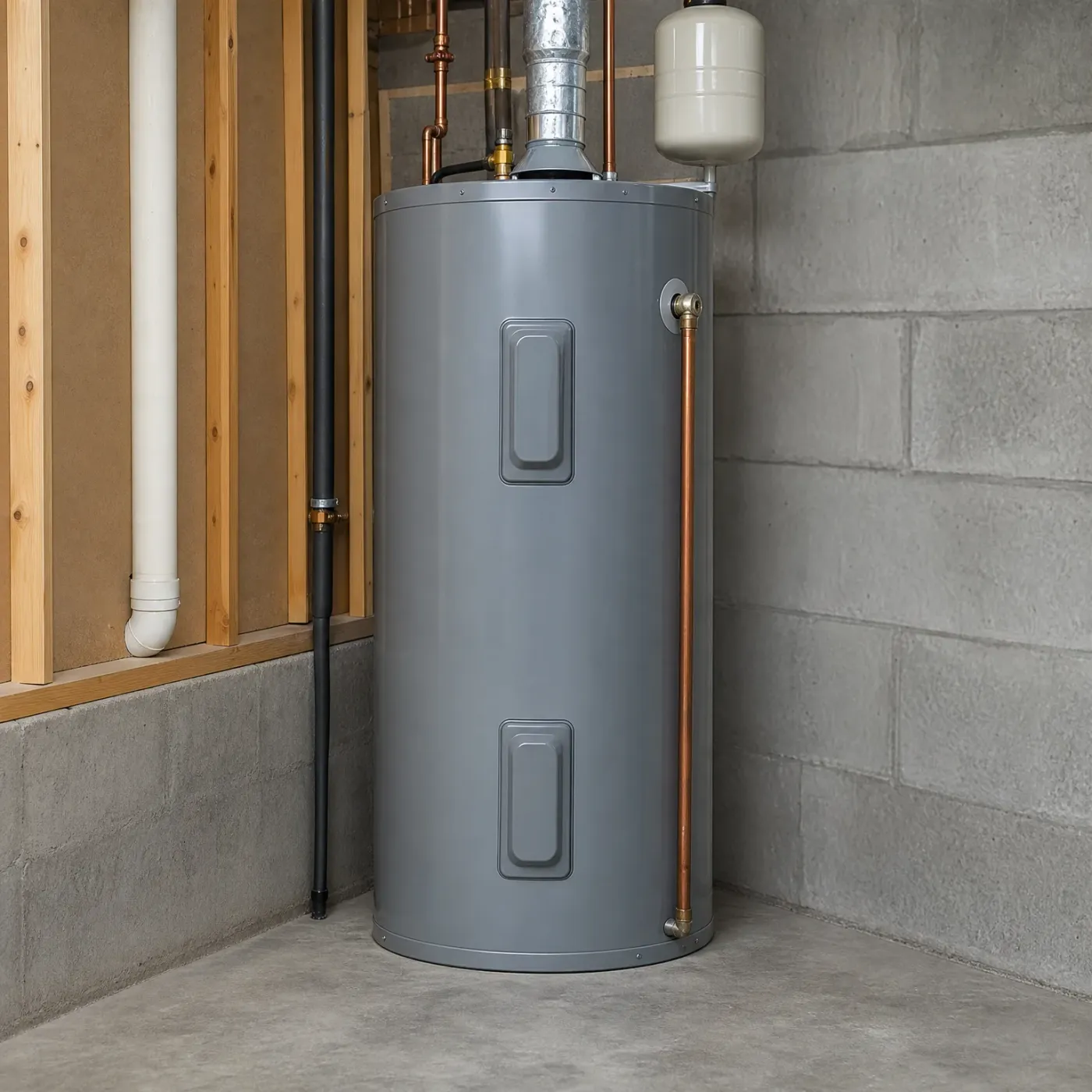
A gray cylindrical water heater with copper piping and an expansion tank stands in a basement corner beside a concrete block wall and exposed wood framing.
After you get your water heater installation
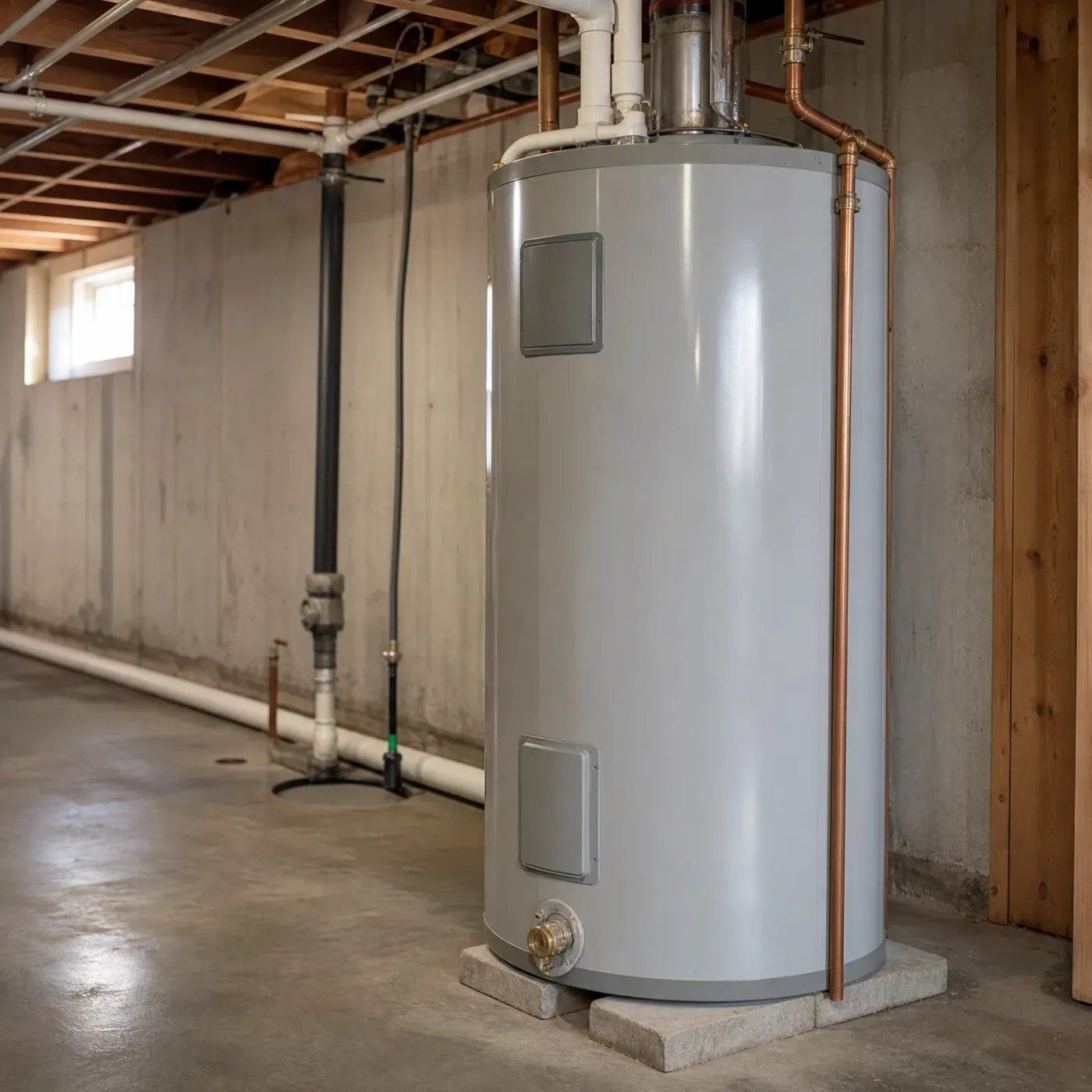
A large white cylindrical water heater on concrete blocks in a basement with poured concrete walls, exposed joists, copper and PVC piping, and a small window.

Matched to your water heater job

The pro who reaches out is licensed in Florida.

A local installer who puts in water heaters gets your project.

Find a licensed pro

Asking costs nothing, and the choice to hire stays yours.

A woman in a cream knit sweater sits in an armchair with her eyes closed and a slight smile, beside an open window showing orange autumn foliage, with a mug, books and a lit candle on a small side table.
An older man with gray hair and a beard leans back on a beige sofa with his eyes closed, in a sunlit room with potted plants, a wicker chair and large windows behind him.

Draws heat, not watts, from the air

The compressor moves warm air into the tank instead of running a full-power element. In a warm garage, it works less to hit the same temperature.

Find a local pro

Needs airflow to do its job

The space around the tank has to stay warm and open for this to pay off. A cramped or unvented closet works against it.

Find a local pro

How does a heat pump water heater actually heat the water?

You've seen the pitch that it pulls heat from the air, but that's not really an explanation. You want to know the mechanics, the order things happen in, before you trust it to sit in your garage and run your water heater for you.

It moves heat with a compressor, the same way an air conditioner does, just in reverse

A fan pulls air across an evaporator coil mounted on top of the tank. Refrigerant in that coil absorbs the heat out of the air, even air that only feels mildly warm, then a compressor squeezes that refrigerant until its temperature climbs much higher. That hot refrigerant runs through a coil wrapped around the tank and gives its heat up to the water. The refrigerant cools back down, loops back to the evaporator, and does it again. There's an electric element inside too, but it only kicks on when the compressor alone can't keep up, like during a long shower run or a stretch of unusually cool air in the garage. Most of the time, in most Florida garages, it never has to.

  1. Air pulled across the evaporator coil gives up its heat

  2. Refrigerant inside that coil absorbs the heat and turns to gas

  3. The compressor squeezes that gas and raises its temperature further

  4. Hot refrigerant passes through a coil wrapped around the tank

90.4% of homes statewide heat with electricity

Almost every home in Florida runs on electricity for heat, and that includes the element in your water heater tank. A heat pump unit still uses electricity, but it moves heat instead of making it, so it draws a lot less power to do the same job.

ACS 2020-2024 5-year B25040

A smiling man in a denim shirt and white t-shirt stands in an open dark doorway of a stucco house, facing a woman with long brown hair and a green jacket seen from behind in the foreground.

So is it worth it for your house

For most Florida homes, yes. Your garage or utility closet stays warm most of the year, and that's the exact condition a heat pump water heater needs to do its job well. The clearance it needs and the spot it sits in are things worth checking against your own space, but the climate part of the equation is already in your favor.

What happens next is a local contractor who installs these year round looks at your setup specifically, your tank, your space, your electric panel, and tells you what fits. You'd hear from one contractor, not several, and they'd already know the kind of install this is before they walk in.

A living room corner with a light beige sofa holding a textured taupe cushion, a large ceramic vase of olive branches by a window, a framed neutral artwork on the wall, and a dark bowl with stacked books in the foreground.
At dusk, a dark board-and-batten house with a standing-seam metal roof and lit entry walkway of stone pavers, with two large outdoor heat pump units on a stone-walled pad at right and trees and hills in the background.

Water Heater Installation

A local pro for your water heater installation

Step 1 of 3: Equipment
  • A brown leather and wood armchair with a cream knit throw sits in a corner beside a woven basket holding a dark cushion, under a framed mountain photograph, with a wood-trimmed window showing yellow and green foliage.
    • Get in touch with a local installer about a new water heater.
    • Describe your water heater job, and a local pro who handles it gets in touch.
  • A dark wood dresser against a pale wall holds a ceramic vase of eucalyptus branches, a stack of books with a wooden bowl, and a woven basket, with a framed landscape painting above and a woven basket holding a knit blanket on the floor beside a window.
    • One request and the search for a pro is handled.
    • Send it once and finding someone is no longer on you.
  • A window seat with beige linen and brown textured cushions, a chunky knit blanket, and an open book, beside a window showing blurred yellow autumn foliage.
    • Skip collecting and comparing quotes for the new water heater.
    • Fill out one short form instead of calling around.
  • A cream upholstered armchair with a rust-colored pillow and knit fringed throw sits beside a window with a ceramic vase of orange-leafed branches on the sill, overlooking autumn trees and leaf-covered ground.
    • Your request goes to one pro, not a list of companies.
    • One installer gets your project, so there's no bidding war over it.