

Tank or tankless water heater for a Florida home
A local installer who puts in water heaters gets your project.
Match me with a proShould I get a tank or tankless water heater in Florida?
Your old water heater is on its way out and you're trying to decide what to replace it with. Tankless heaters get talked up a lot, and you want to know if that's worth it here, or if a regular tank is the better call for a Florida house. The right answer depends less on the brand and more on how your home uses hot water and what's cheapest to run on electricity.
Either works well here, but tank heaters are the simpler fit for most Florida homes
Most homes in Florida heat water with electricity, and an electric tank heater is the cheaper unit to buy and install. Electric tankless units need a large wire and breaker to deliver hot water instantly, and some homes need an electrical panel upgrade to support one. A tank also works harder than it would in a colder state, since the incoming water is already warm, so recovery is quick and the energy used per shower is lower than a homeowner moving from up north might expect. If your home already has gas service, a tankless unit becomes more worth considering, since gas models don't carry the same electrical demands. For most electric-only homes, a tank is the straightforward choice.
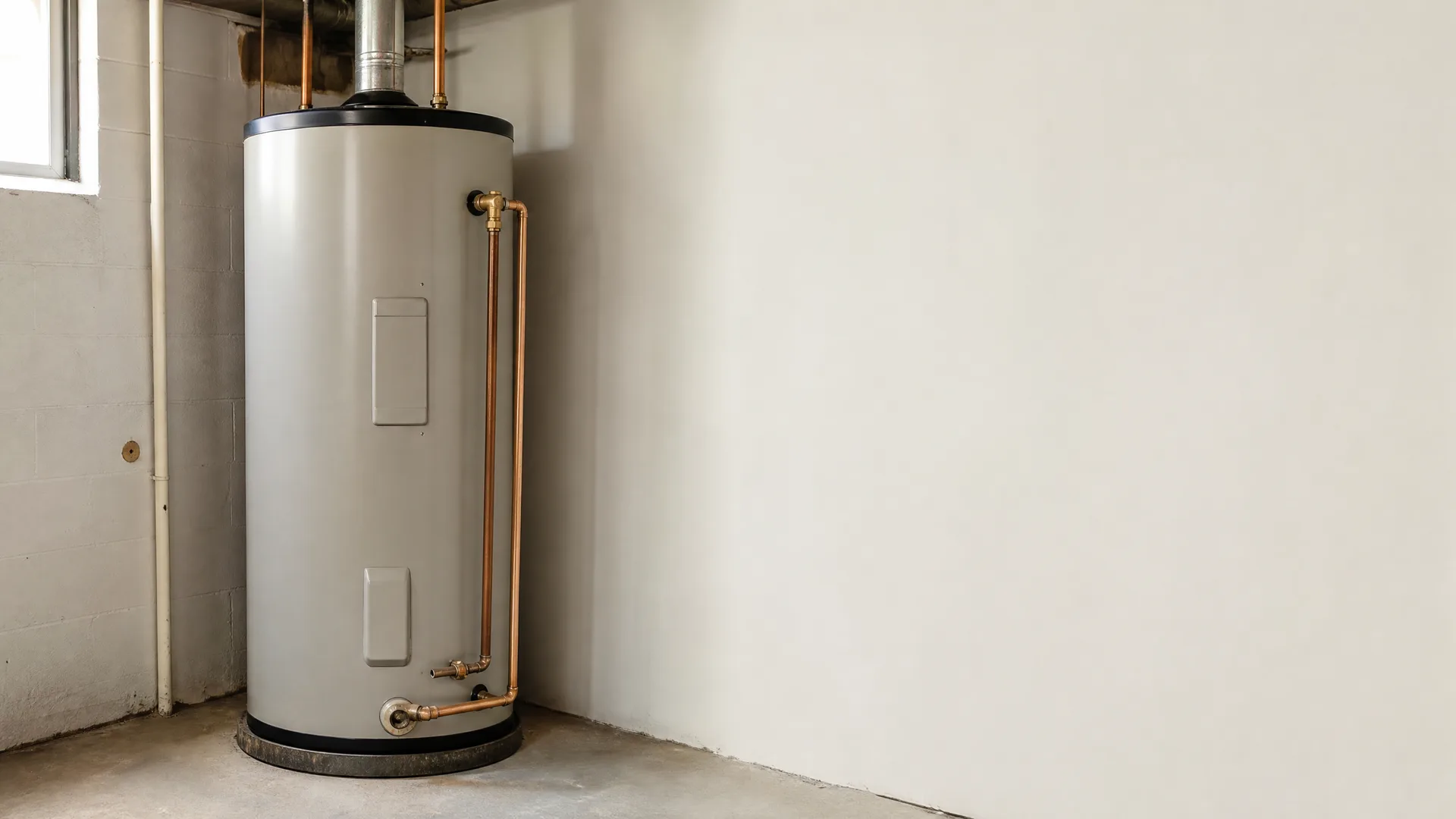
What a tank keeps heating
A tank holds forty to fifty gallons and keeps every one of them hot around the clock, whether anyone uses it or not. Electric heat in Florida means that standby loss runs on electricity rates that stay about average compared to the rest of the country. It's not a dramatic cost, but it's a steady one, every hour the tank sits idle between showers.
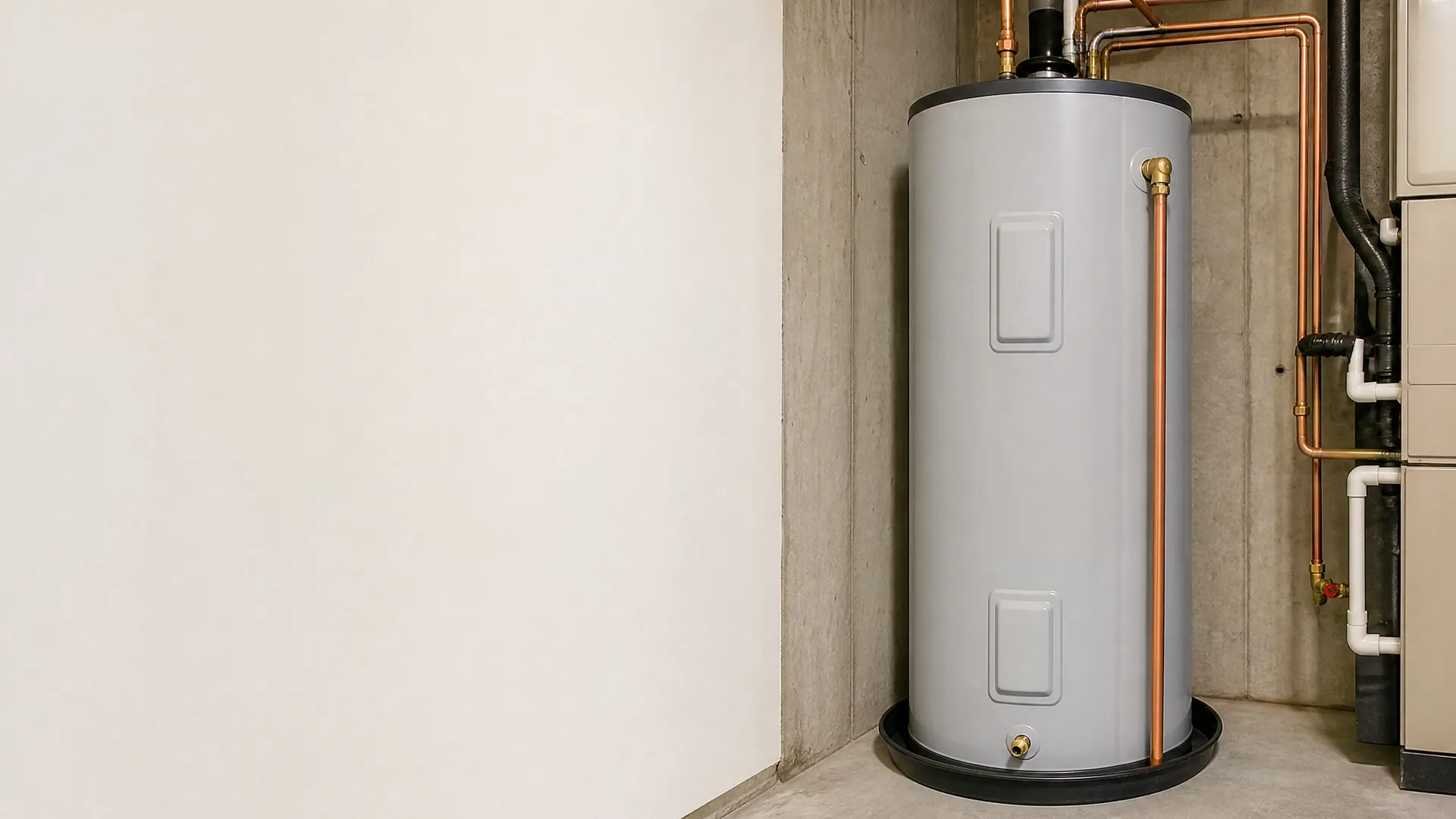
Why tankless changes the math
A tankless unit heats water only when a tap calls for it, so there's no standing tank losing heat in a closet or garage all day. For a household that runs the water heater on electricity, that can mean less wasted energy over a year. The tradeoff is upfront cost and the electrical capacity a tankless unit needs, which is worth checking against what your house already has.

What this means for your water bill
A household running a tank heater pays to keep forty or fifty gallons hot through the night and through the workday when nobody's home. A tankless unit heats water only when someone opens a tap, so that standby cost goes away. Over a year, that's the difference you'd actually feel on an electric bill in a state where the heater never gets a break for cold weather to lower demand.
Space matters too. A tank needs a closet or garage corner to sit in. A tankless unit mounts on a wall and gives that floor space back, which counts for something if your water heater is wedged into a small utility room. If you're ready to see what either option would cost installed at your house, a contractor who handles both can look at your setup and work up the numbers for your specific home.



A pro who works on water heaters

Send the request and finding a pro stops being your problem.
There's no charge for the request.
A tank costs less to put in, and if yours is failing now, a straight tank swap is usually the faster fix. It works with the gas line or electrical circuit already in place.
Tankless costs more up front, and your house may need new wiring or venting to take one. It keeps heating water for as long as you stay in the house, without forty gallons sitting hot all day.
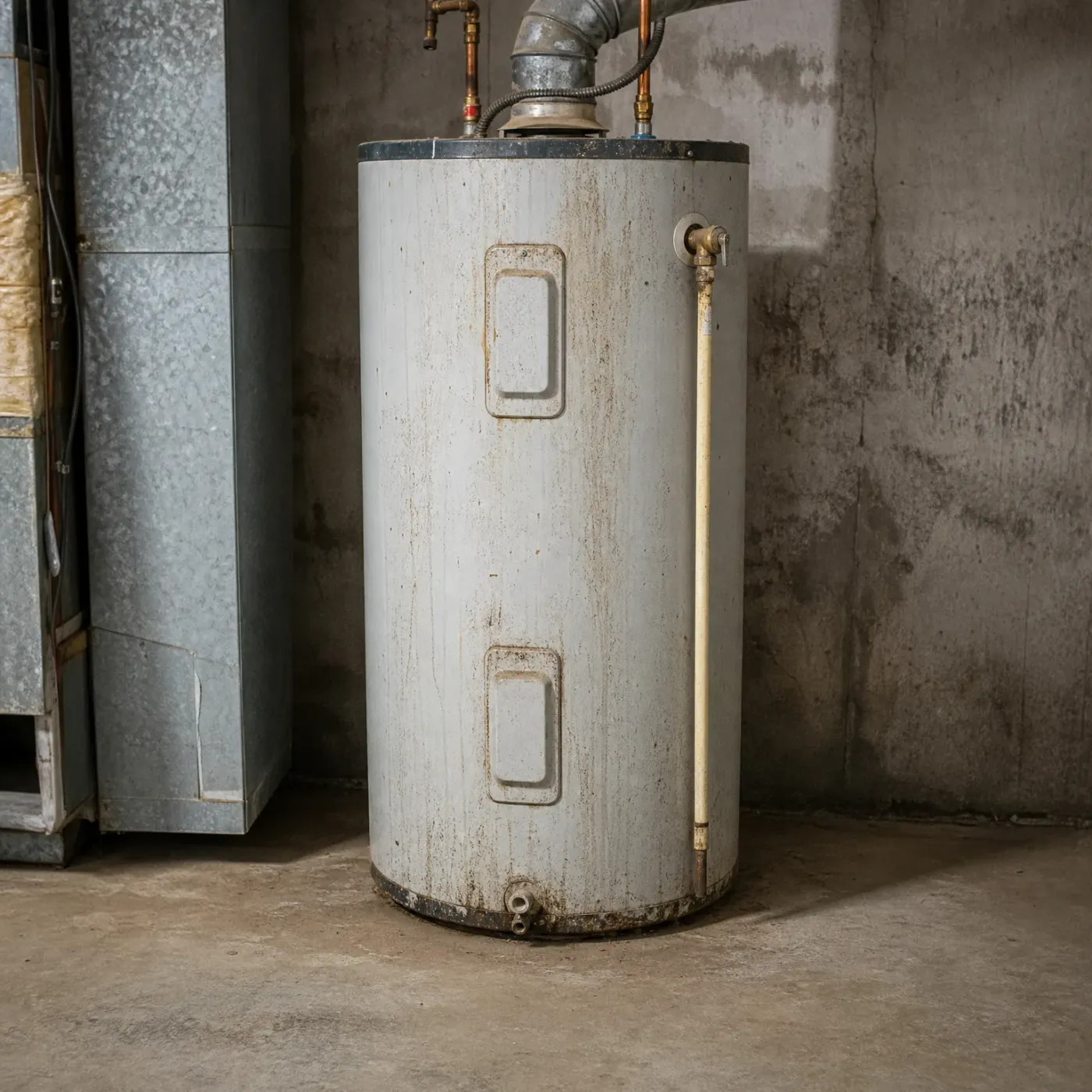
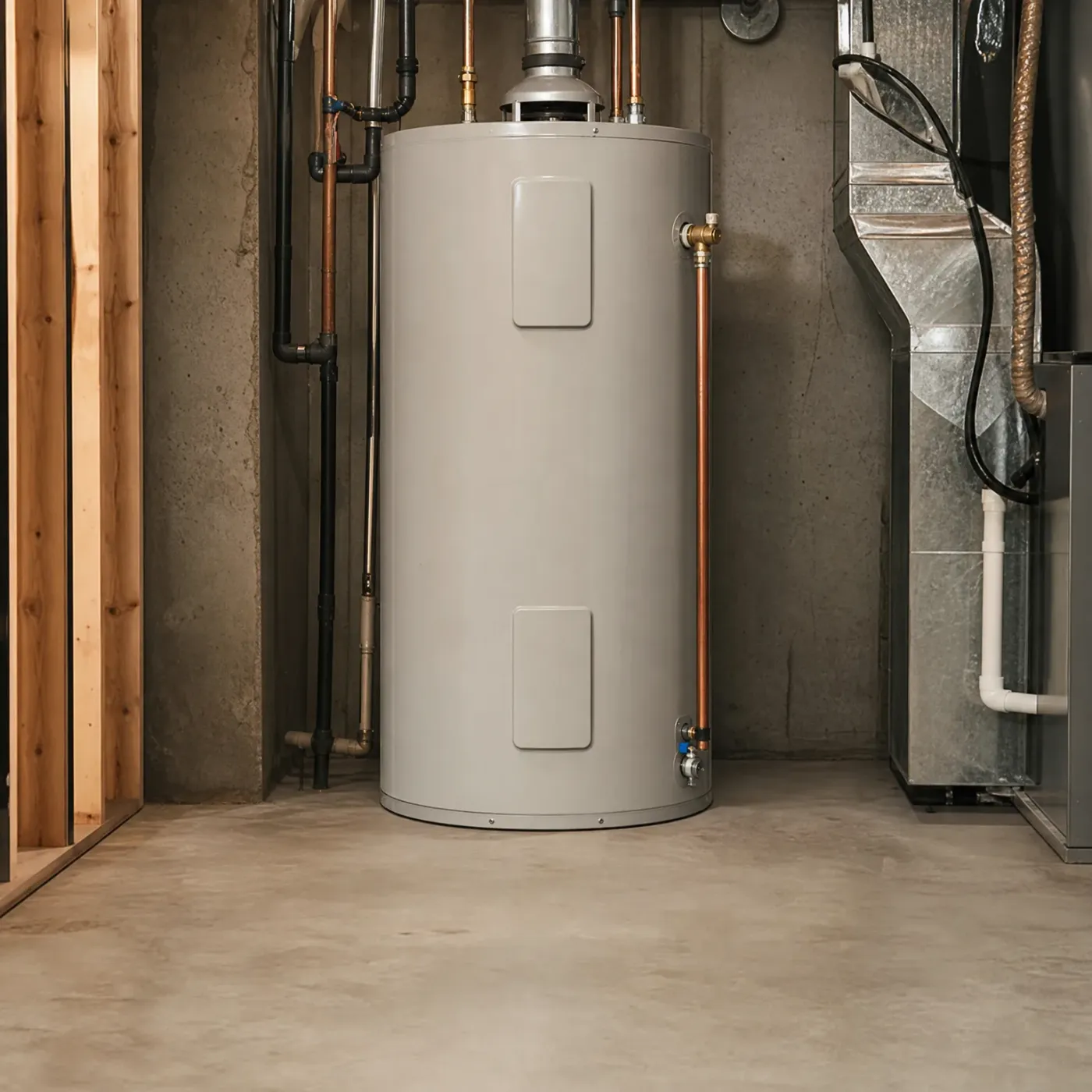
A tank works by keeping water hot in advance. Open the valve and what comes out was already heated, sitting ready in the cylinder. A tankless unit works the other way around. There's no reserve, so the moment you turn on a tap, a flow sensor detects water moving and tells the heat exchanger to fire. That takes a moment, which is why you'll feel a short pull of cool water before the hot gets there. It also means the exchanger needs a minimum flow to even recognize demand, and once it's running, it's rated for gallons per minute rather than gallons on hand. Run two showers at once and the unit splits what it can deliver between them. A tank doesn't split anything, since the gallons are already sitting there waiting, but it pays for that by cycling its burner or elements on and off all day, heating the same water over and over whether anyone's home to use it or not. Both systems answer to a thermostat. The difference is what that thermostat is watching: stored water in one case, water passing through in the other.
How each one actually heats water
- A tank heater keeps a full cylinder of water hot and ready, so a shower starts warm the moment you open the valve.
- A tankless unit has no reserve, so a heat exchanger has to fire up and bring incoming water up to temperature as it passes through.
- That exchanger needs a set flow rate to sense demand and ignite, which is why a tankless unit can deliver a few seconds of cool water before the hot arrives.
- Tankless units are rated for gallons per minute, not gallons stored, so two showers running at once can split the output each one gets.
- A tank heater cycles its burner or elements on and off all day to hold the water at a set temperature, even with no one home.
- Both types rely on a thermostat to call for heat, but only the tank version has that thermostat watching stored water instead of water in motion.
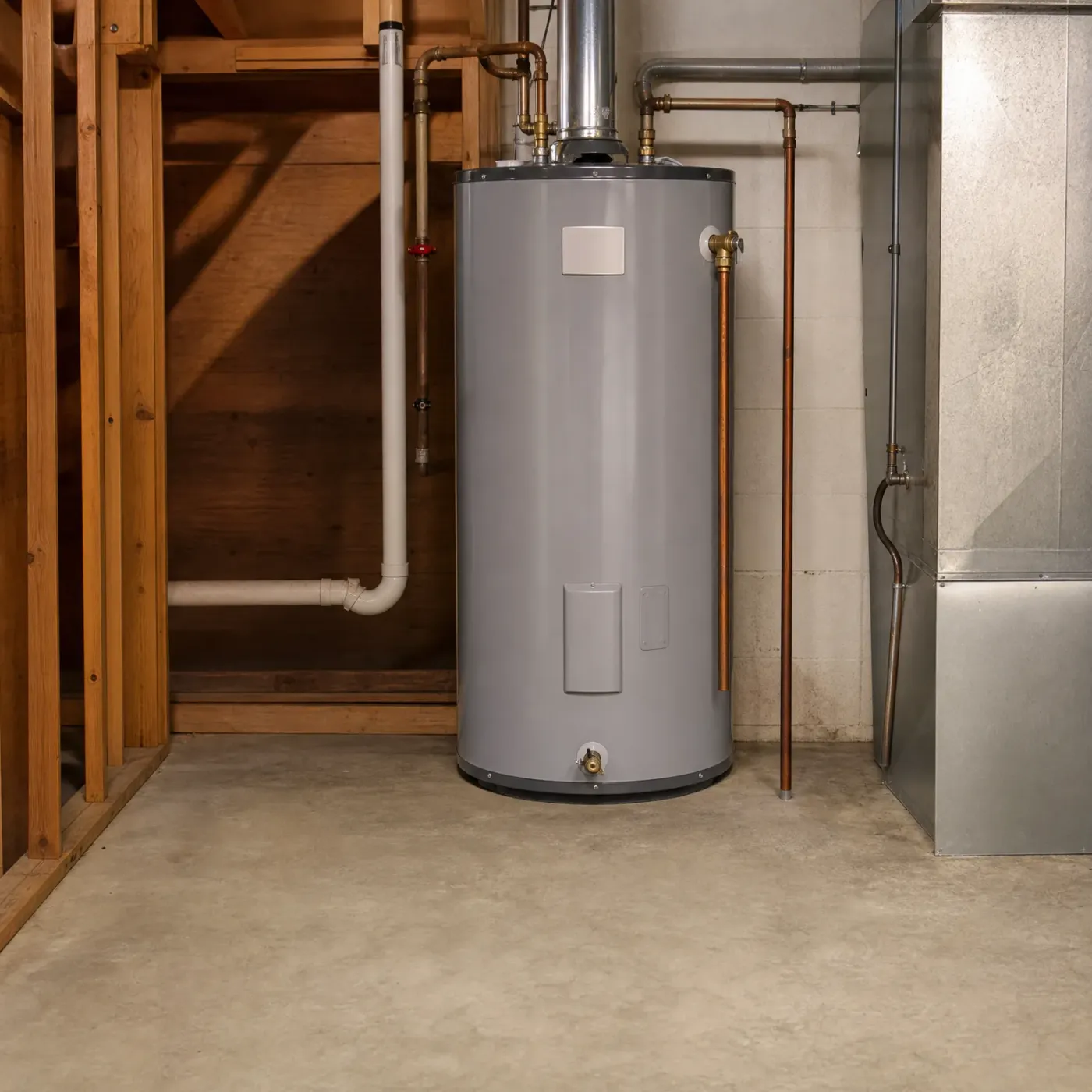
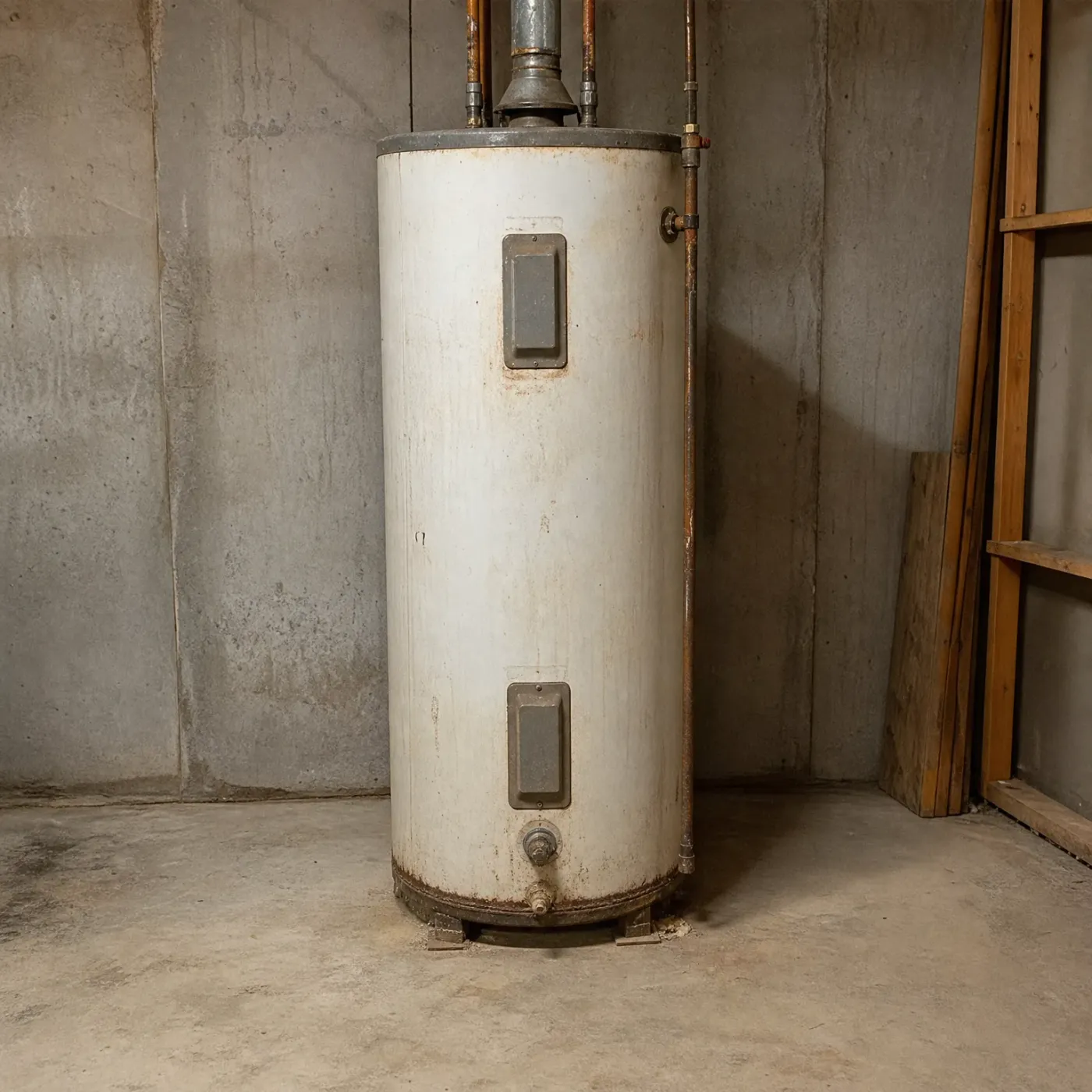

Cold water enters the tank or the tankless unit first.
A tank keeps that water hot and stored until you need it.
A tankless unit senses flow and fires its burner or element.
Hot water leaves the unit and travels through your pipes to the tap.




90.4% of homes statewide heat with electricity
With electricity heating nearly every home in the state, your water heater is almost certainly electric too. That matters for tankless: going electric tankless often means adding a dedicated high-amperage circuit, since electric units draw a lot more power than a gas burner would.
ACS 2020-2024 5-year B25040
Tank or Tankless: Where You Land
- A tank costs less to install and fits the wiring or gas line already running to your water heater now.
- A tankless unit costs more upfront and may need an electrician to add capacity before it can run.
- If your old tank is leaking or rusted through, a straight tank swap gets hot water back the fastest.
- A tankless unit cuts the standby loss that comes from keeping forty or fifty gallons hot all day in Florida heat.
- Either choice keeps hot water running at the tap once it's installed and wired correctly for your home.
- Once you decide which fits your house, a licensed contractor can confirm what the installation actually requires.
The choice comes down to what your house already has and what your old water heater is doing right now. A tank costs less and goes in fast, using the gas line or circuit that's already there. Tankless costs more to install because it often means new wiring or venting, but it stops paying to keep forty or fifty gallons hot around the clock in a state where that standby loss runs all year. If your tank is rusted or already leaking, that urgency usually settles the question on its own. A straight swap gets hot water flowing again without waiting on an electrician to run new capacity first.
Neither option is wrong. One costs less now and asks less of your house. The other costs more now and asks more of your electrical system, but it stops heating water nobody's using. What matters is matching the choice to your situation, not to what worked for a neighbor's house or what a salesman pushes.
Once you've got a sense of which way you're leaning, the next step is getting someone licensed to look at your specific setup, confirm what it would actually take, and give you a straight answer instead of a guess. Send the form and that search becomes someone else's job. You stop tracking down contractors and start waiting for one to reach out, already knowing the basics of your house.
Get your water heater to the right pro
After this form, you can stop searching for a water heater pro.