

Profile view of a bearded man wearing a black baseball cap and a dark gray T-shirt against a plain light background.

Water heater pilot light keeps going out in Florida

Step 1 of 3: Equipment

A pilot that won't stay lit is usually one of a few things: a thermocouple that's worn out and no longer holding the gas valve open, a draft reaching the pilot from a vent or a door near the tank, or a dirty pilot tube choked with soot. In Florida, humidity gets blamed a lot, and it does play a part. Moist air can corrode the thermocouple or leave deposits around the pilot assembly faster than it would somewhere dry, especially if the water heater sits in a garage or closet with little airflow. If this just started, something changed nearby, a new draft, a vent that got blocked, or a part finally giving out after years of damp air working on it. Either way, a pilot that keeps going out isn't something that fixes itself, and running the tank on a pilot that won't hold means no hot water when you need it. It's worth having someone look at the thermocouple and the pilot assembly before it goes out for good.

A smiling man with dark curly hair in a navy t-shirt sits on a gray couch indoors, with a large-leafed plant and a window in the background.
A bearded man in a plaid flannel shirt stands in a kitchen looking out a window toward snow-covered shrubs, with a steaming mug on the windowsill and potted plants on a shelf behind him.
A gray cylindrical water heater with two access panels and copper piping stands against a concrete wall in a basement, beside wood framing and metal ductwork.

The pilot stays lit

The flame burns steady and blue, holding its shape at the tip of the tube. The thermocouple sits inside the flame, sending a current to the gas valve to keep it open. No rust around the base, no soot on the burner. This is what a working pilot looks like.
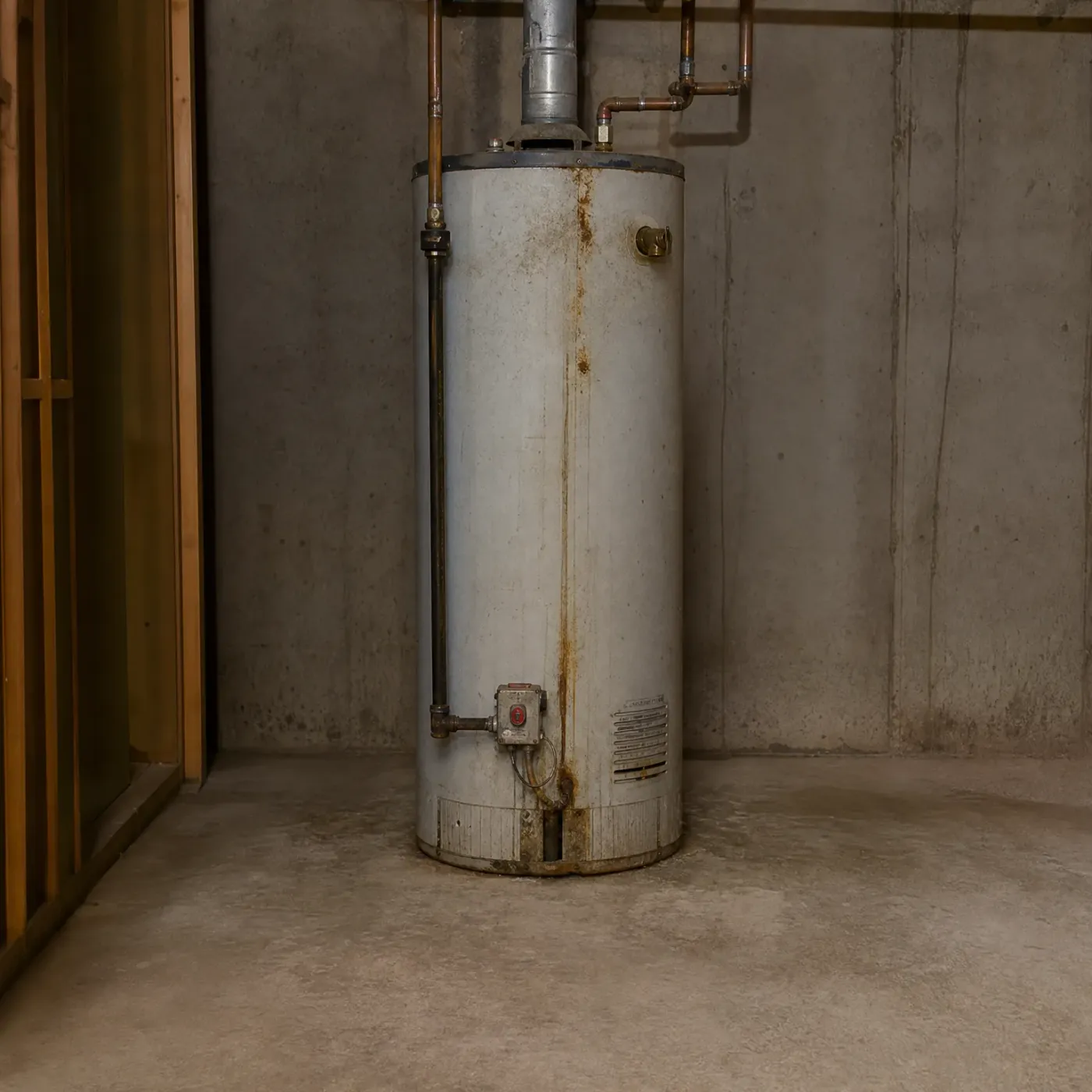
An aging rust-streaked gas water heater with copper and galvanized pipes stands against a bare concrete basement wall beside wooden stud framing.

The pilot keeps dying

Rust has worked down the tank and onto the fittings near the base, where the thermocouple and gas valve sit. Corrosion here can keep the thermocouple from reading the flame right, so the valve shuts the gas off like the pilot went out on its own.

Why the pilot won't stay lit

Thermocouple wearing out

  • The copper rod turns brittle with age and stops reading the pilot flame correctly, so the gas valve shuts the pilot off.
  • A loose thermocouple connection at the gas valve can cause the same on and off pattern as a worn one.
  • Replacing the thermocouple is a straightforward part swap, and the valve usually holds the pilot once it's seated right.
  • If the pilot relights and holds for a few days then fails again, the thermocouple is worth checking first.
  • Florida's humidity can speed up corrosion at the thermocouple tip, especially in a garage or outdoor closet installation.

Draft or dirty pilot tube

  • A vent, a door, or a gap near the water heater can let outside air reach the pilot and blow it out.
  • Soot or dust built up inside the pilot tube chokes the flame down until it can't hold the thermocouple reading.
  • Cleaning the tube clears the problem without replacing any parts, but it tends to recur if the area stays dusty.
  • A pilot that goes out right after it's lit, rather than hours later, points more toward a draft than a worn part.
  • Humid air moving through an unsealed utility closet in summer can carry enough draft to snuff a low pilot flame.
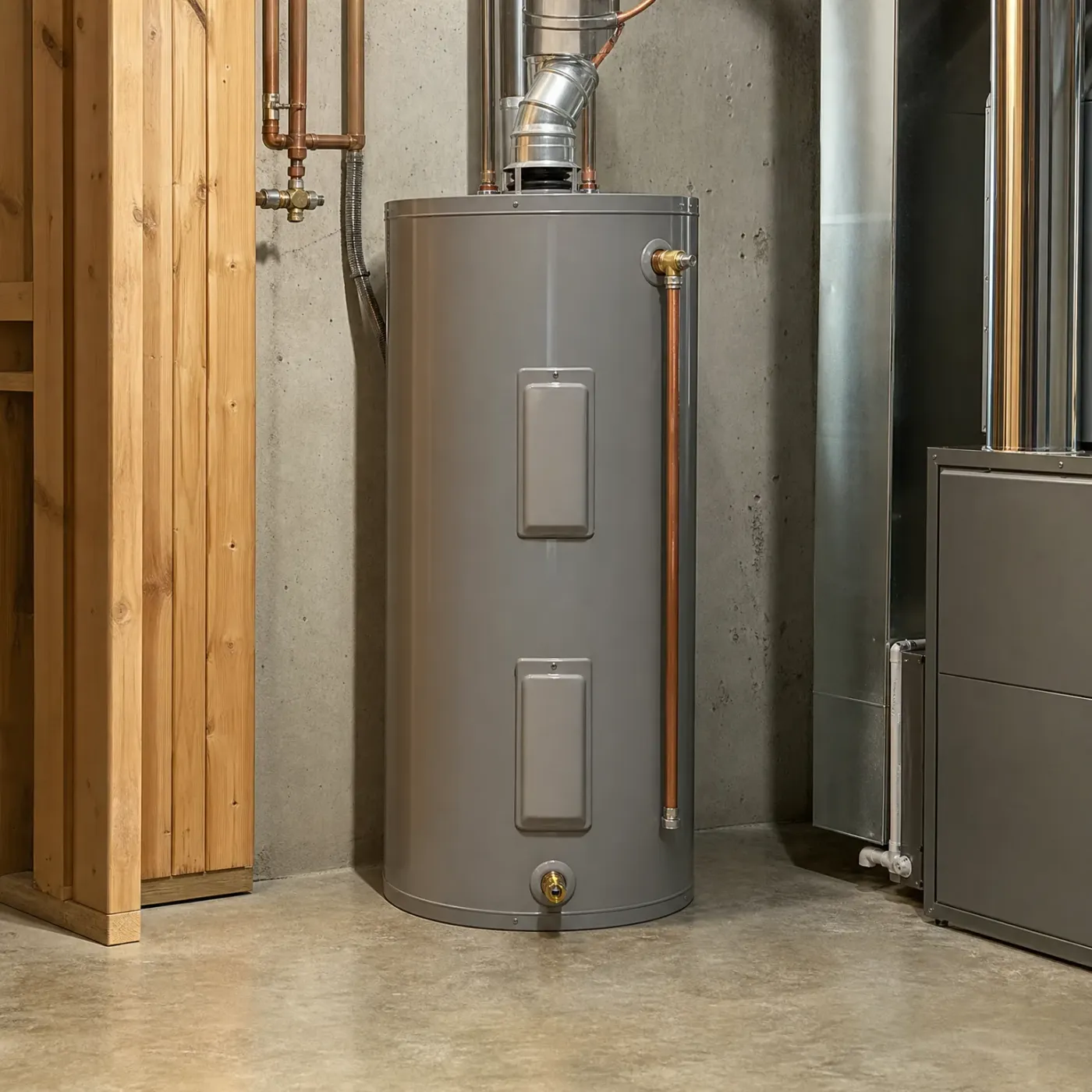
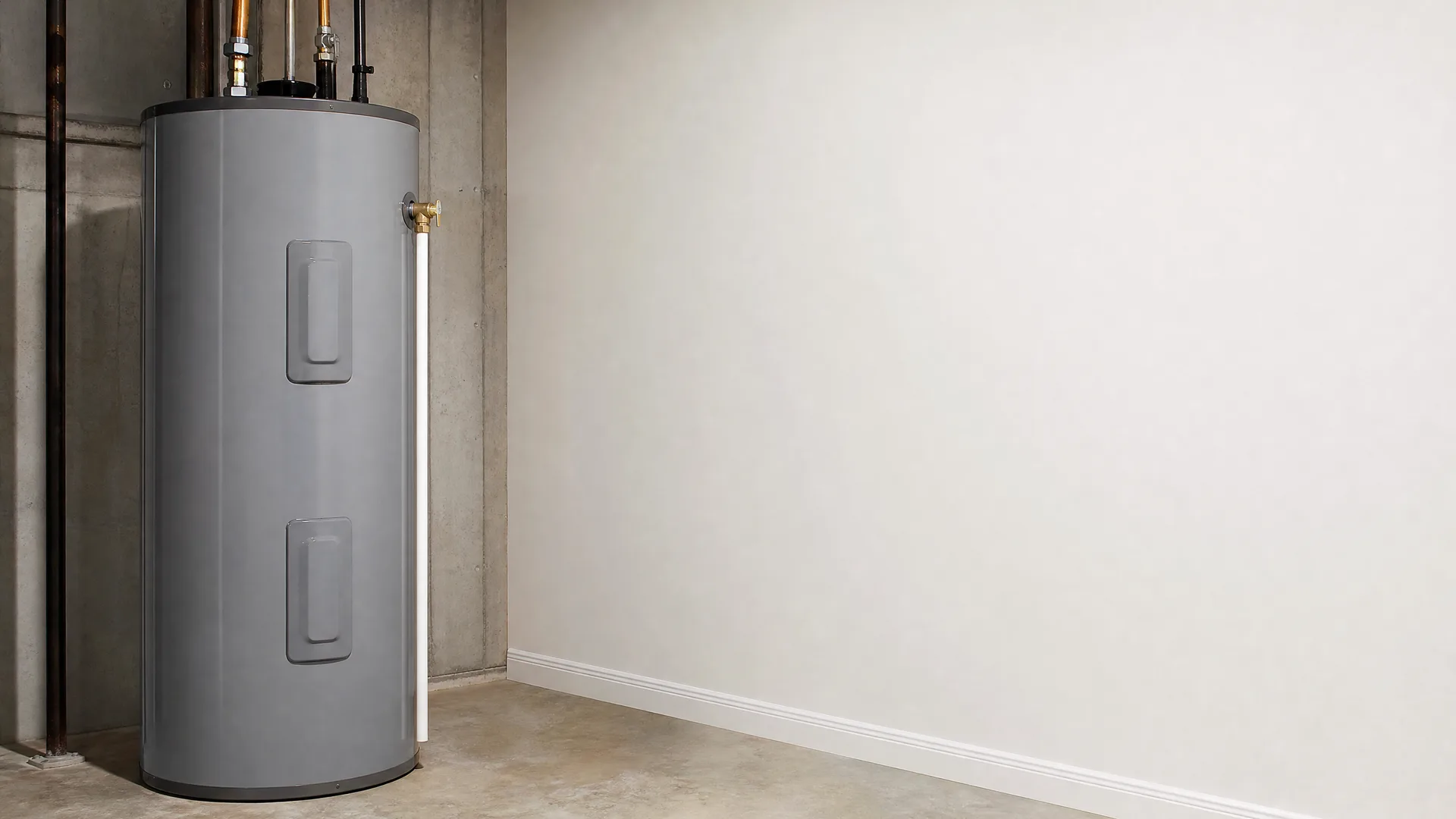
A gray cylindrical electric water heater with two access panels stands in a corner of a room with a concrete floor, connected to overhead pipes and a white drain pipe, beside a plain light-colored wall.

Humidity reaches the pilot assembly

Water heaters in Florida often sit in a garage or a closet with little airflow, and the humid air there settles on cooler metal surfaces. That moisture can creep into the pilot assembly and the thermocouple connection, leaving a thin film that interferes with the current the thermocouple sends to the gas valve. The flame still lights, but the valve reads a weak signal and shuts the gas off, so the pilot goes out again a few minutes later.

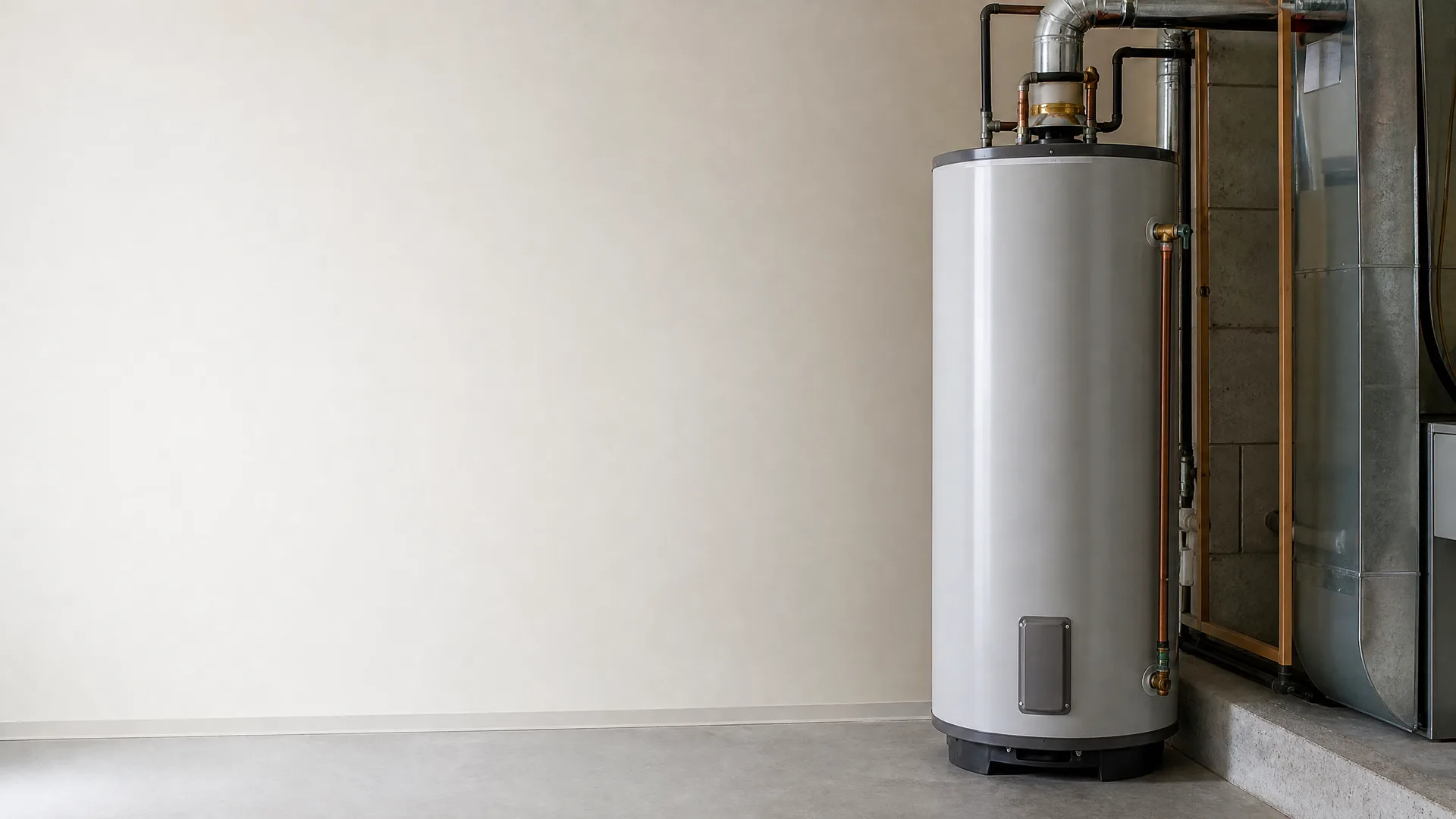
A tall cylindrical water heater with copper and metal pipes at its top stands against a plain beige interior wall on a concrete floor, beside ductwork and a raised concrete step.

Soot builds up faster here

A dirty pilot tube is behind a lot of these calls, and salt air near the coast adds to it. Salt carried on humid air mixes with ordinary dust and settles inside the tube, narrowing the opening the gas passes through. The flame gets smaller and starts pulling away from the thermocouple instead of wrapping around it. Once the tip of the tube is even partly blocked, the thermocouple stops reading a steady flame and the gas valve cuts out.

Is your pilot light going out again this week?

You've relit it two or three times now, maybe more. The flame catches, holds for a day or two, then you go for a shower and the water's cold again. You might notice a faint gas smell right when you're holding the button down, or soot starting to darken the little window where you watch the flame. If the tank sits in a garage, you may have felt how damp the air is back there even with the door shut. Left alone, a pilot that won't hold means no hot water on no notice, and if it's a gas smell rather than just the pilot failing, that's not something to keep relighting on your own.

A smiling man in a gray long-sleeved shirt stands in a kitchen looking to the side, with open shelves of dishes, a white mug on the counter, a potted plant, and a view through a doorway into a living room.
A smiling bearded man in a green sweater sits at a white marble kitchen island with a mug, potted plant and bowl of fruit, in a bright white interior with open shelving and an arched doorway.
A smiling man with dark curly hair and a beard, wearing a dark green knit sweater, stands at a white marble kitchen counter with a dark blue mug, with open shelving, pendant lights and a houseplant behind him.
A smiling man in a green ribbed sweater stands behind a wooden table holding a ceramic mug of coffee in a kitchen with white subway tile, shelves of potted plants, and a bowl of fruit.

Hand off the water heater problem

A pilot you keep relighting is a tank that keeps running out of hot water at the worst moment, usually right before someone needs a shower. You could pull the cover off yourself, check the thermocouple, look for a loose connection, but if it's not one of those, you're back where you started and the water's still cold. Finding a plumber who works on gas water heaters means calling around, explaining the on and off pattern more than once, waiting to hear back, then doing it again with the next one until someone can actually come out. Send the request here instead and that search is done. No more comparing names you don't recognize or sitting on hold to ask if they handle this kind of repair. Someone who works on these tanks gets your details and takes it from there, while you go back to whatever you were doing before the pilot went out again.

Relighting it yourself once or twice is reasonable. Three times in a week means something in the assembly is actually failing, not just acting up.

A worn thermocouple or a draft problem doesn't fix itself between relights. Each time it goes out, you're back to no hot water until someone finds the actual cause.

90.4% of homes statewide heat with electricity

Most houses here don't run gas to the water heater at all, so yours being gas already puts it in the minority. That also means if this one gets replaced, electric is the easier swap, with no line to cap or reroute.

ACS 2020-2024 5-year B25040

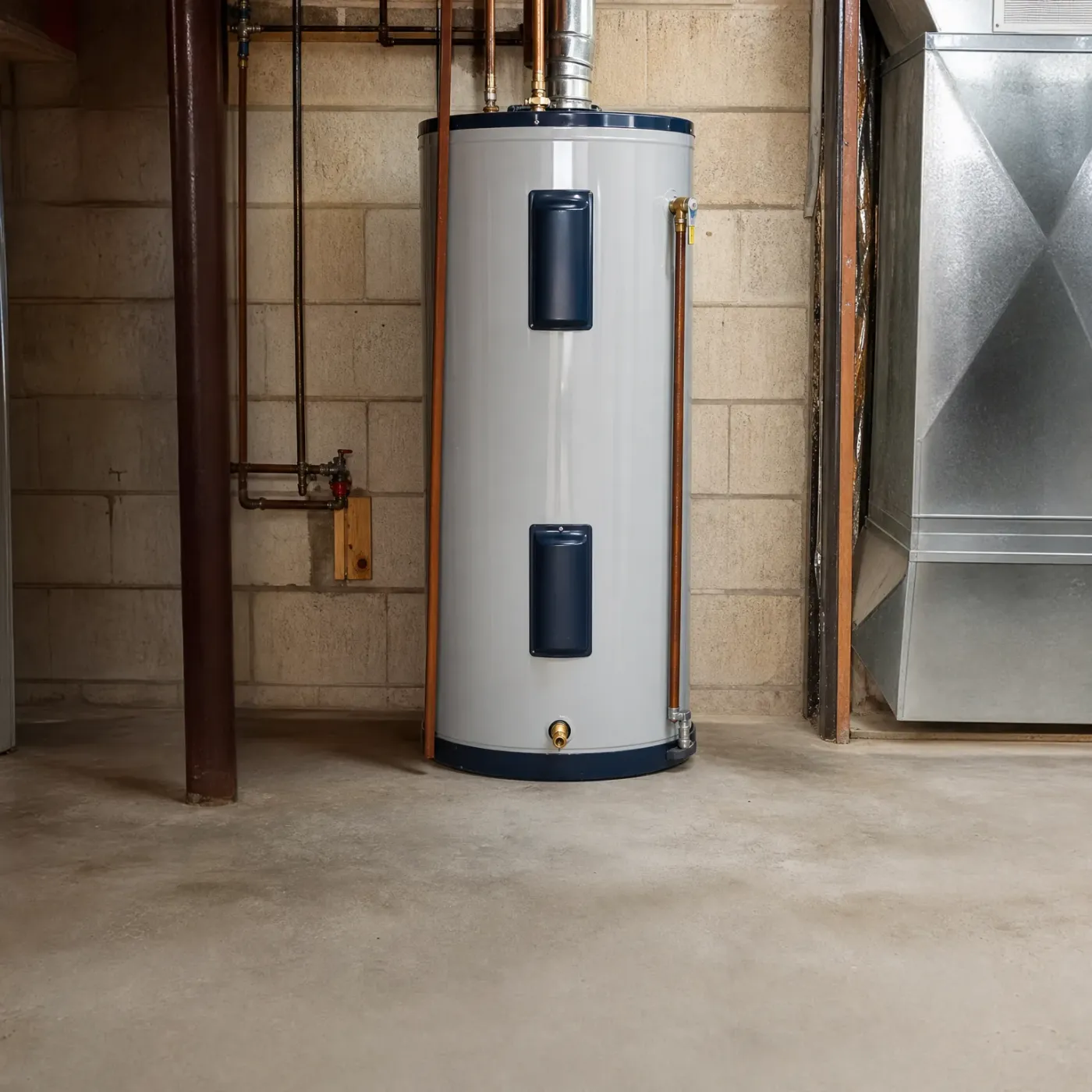
A white cylindrical water heater with two dark access panels stands on a concrete basement floor against a concrete block wall, with copper pipes, a flue duct above, and sheet metal ductwork at right.

Working pilot, normal setup

This is what it looks like tucked next to the air handler, copper lines running clean along the block wall. No rust streaking down the tank, no scorch marks near the access panel. The flame inside stays lit through every cycle, day after day, without you touching it.

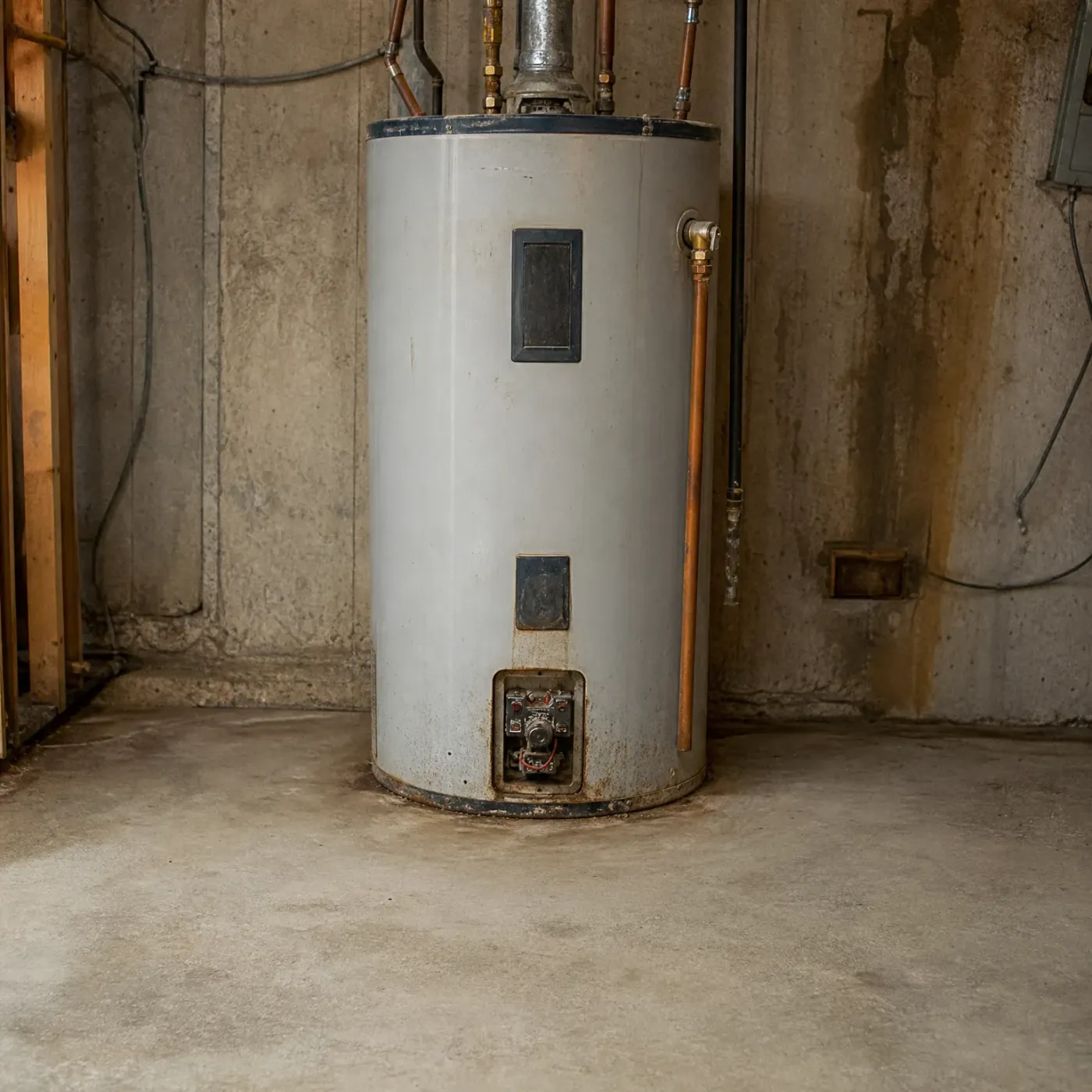
A white cylindrical water heater with copper piping and a gas control valve stands against a stained concrete basement wall on a bare concrete floor.

Tank in trouble

Rust has worked its way across the panels and down the side of this one. That kind of wear around the base and the connections is where moisture gets in and starts affecting the thermocouple and the pilot tube. A tank that looks like this is a harder one to keep lit for good.

A closed silver laptop and a ceramic mug of dark coffee sit on a wooden table in front of two chair backs, with a kitchen counter, tiled backsplash, wooden cutting boards, a vase of greenery and a potted plant by a window behind.

A pilot that won't hold is telling you something specific

A worn thermocouple, a draft finding the pilot, or soot in the tube. One of those three is behind it, and relighting the flame again tonight won't change which one it is. The flame goes out because something in that assembly needs a hand, not because of anything you did.

Finding someone licensed to open the tank, test the thermocouple, and get the flame holding steady again is the part you don't have to do. No calling around to ask who services gas water heaters, no explaining the on and off pattern three separate times, no sorting through quotes that don't say the same thing. Send the form and that search is off your plate.

A gray upholstered sofa with a matching cushion sits beside a potted plant and a wooden table holding a small green plant in a stone pot, near a curtained window.
A dark wood cabinet with a paneled door and a ceramic pot of green foliage on top stands in a beige-walled room with white baseboard, a window at left, hardwood floor, and a patterned area rug.
A dark wood glass-front cabinet holding folded towels, woven baskets and a ceramic vase stands in a bathroom corner beside a window, with a potted fern and stacked towels on top and a freestanding tub partly visible at left.
A woven basket holding a green cushion and a cream fringed knit throw sits on a wood floor in a room corner beside a window and a dark wooden cabinet.
Corner of a room with a dark wood cabinet topped by a round vase, a linen curtain at a window, white baseboard, oak plank flooring with sunlight patches, and a woven jute rug in the foreground.
A dark wood sideboard against a pale wall holds a shallow stone bowl and a round ceramic vase with leafy branches, with sunlight from a curtained window falling across the wall, wood floor and woven rug.

Let someone else find the pro

Answer a few questions instead of calling shop after shop.

Hand it over

You only hire the pro if you want to.