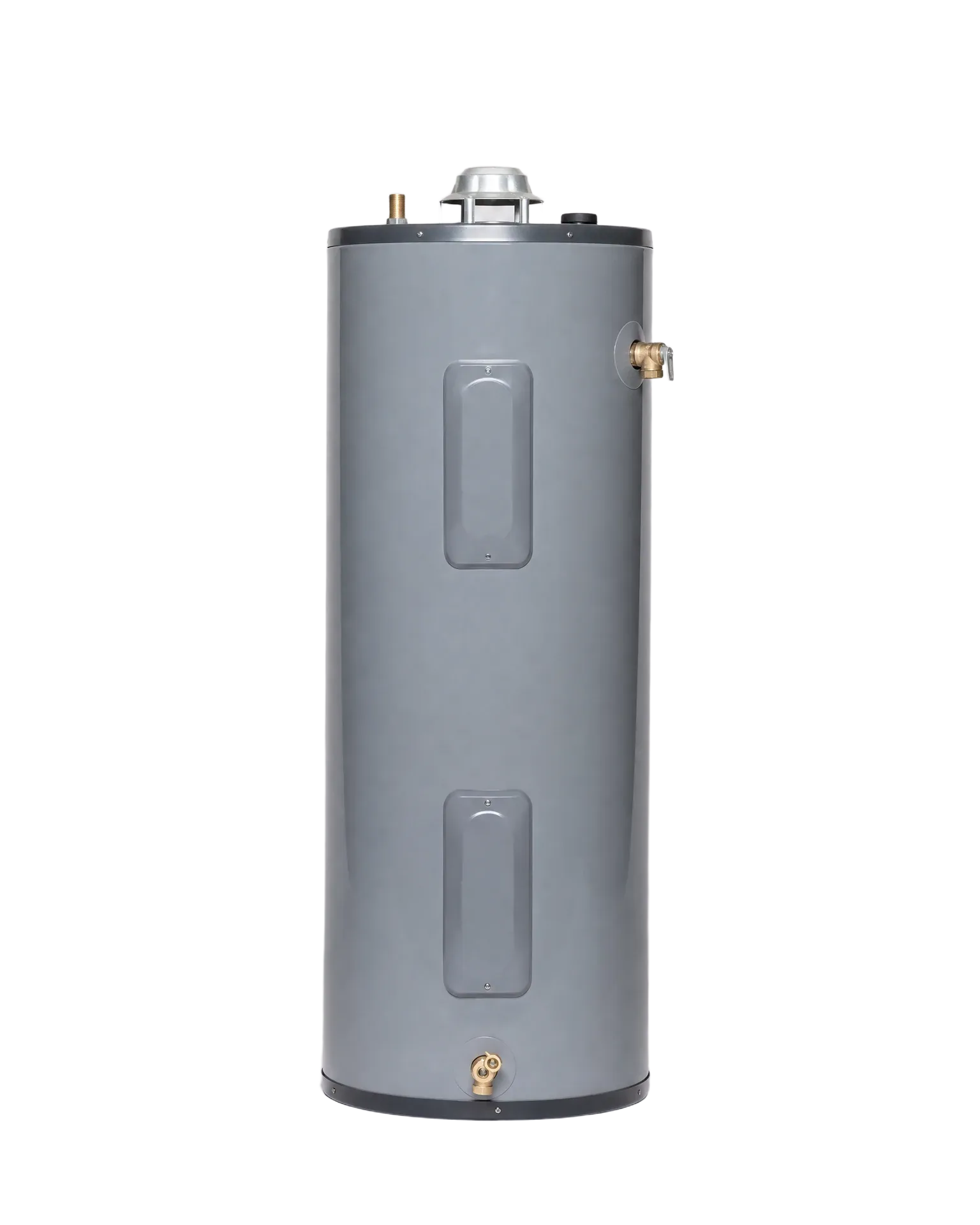
140 degrees
Set this high, the tank holds water hot enough to scald in seconds, and your electric bill carries the cost of that extra heat every day it sits in the tank.
120 degrees is the right setting for a water heater in Florida. That's hot enough for showers and dishes without wasting power keeping water hotter than anyone needs. It matters more here than it sounds. Most homes in Florida heat water with electricity, and a tank set to 140, which is where some are left from the factory, runs longer and more often to hold that heat, and it costs you for no real benefit. 120 also cuts down on scalding risk at the tap, which matters if anyone in the house is older or younger. If your water heater has a dial instead of a digital display, the marks are usually low, medium, hot, A through E, or similar, and medium is close enough to 120 on most tanks. Check it once, and check it again anytime the tank gets serviced, since a technician working on it can bump the dial without meaning to.
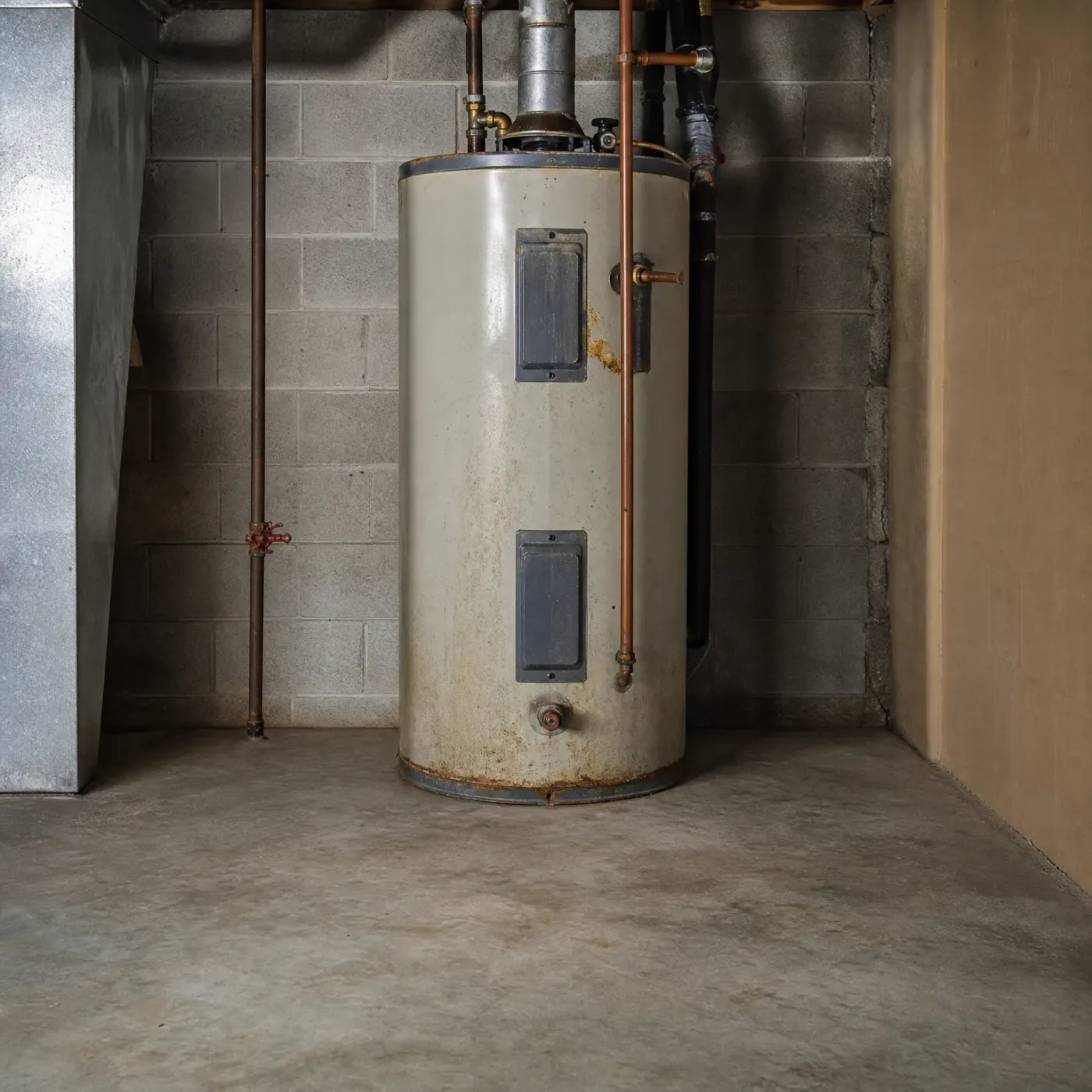
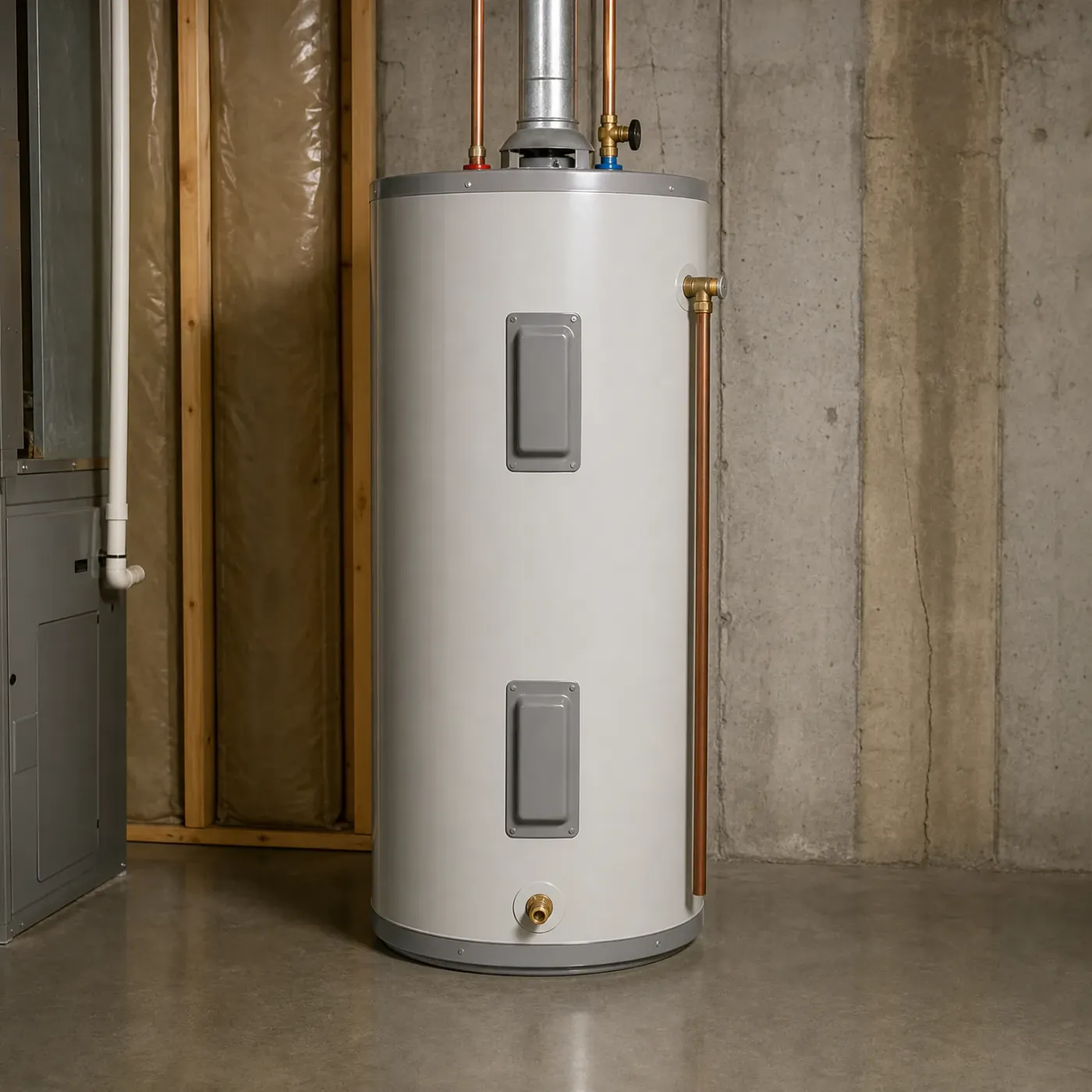
Every ten degrees above 120 adds to what the tank spends holding that heat all day, not just when someone runs the shower. In a house that heats water with electricity, that cost shows up on the bill every month, all year, since the tank never gets a break the way a furnace does between seasons. Dial it past 140 and you're also running hot enough to scald someone in a few seconds flat. 120 covers a shower, a full sink of dishes and a washing machine on hot without the tank working harder than the job requires.
The thermostat setting is only half of it. A tank holding sediment on the bottom has to heat through that layer before the water above it gets warm, so it runs longer than it should even sitting at 120. The anode rod is the other piece, since it's what corrodes instead of the tank lining, and once it's spent the tank starts rusting from the inside. A tech checking both during a maintenance visit catches the kind of wear that makes a water heater run hotter and longer than the setting alone would suggest.




Set this high, the tank holds water hot enough to scald in seconds, and your electric bill carries the cost of that extra heat every day it sits in the tank.
Set here, the water comes out hot enough for a shower or a full sink of dishes, and the tank stops spending power holding heat nobody asked for.
Your water heater almost certainly runs on electricity, like nearly all homes in Florida. That means every degree above 120 shows up directly on your power bill, with nothing to offset it the way a gas burner might.
ACS 2020-2024 5-year B25040
A tank set at 120 degrees still needs a thermostat that reads true and an anode rod that hasn't given out. Maintenance catches both before they cost you hot water or run the bill up without you noticing why.
A tank left unchecked can drift from that setting as sediment builds up around the thermostat, or hold onto failing parts that make it work harder for the same 120 degrees. The number on the dial only means what the tank can still deliver.


A thermostat that reads 120 on the dial doesn't always deliver 120 at the tap. They drift, and electric heat means that drift runs up your bill every day it goes uncaught. A tank in Florida works year round, with no break in winter to ease off, so a setting that's off by a few degrees keeps costing you for months before anyone notices. Someone who services water heaters in your area every week knows what usually goes wrong first, the thermostat or the anode rod, and checks it before it turns into a bigger repair or a tank that needs replacing early. Sending the request puts one local contractor on this, not a handful calling you back at once. You get a thermostat that's been checked against what it's actually doing, not just what the dial says, and a tank set where it should be for a house that runs its water heater on electricity all year.
120 degrees is the answer. It covers a shower or a full sink without spending extra power to keep water hotter than anyone in the house needs. The only way to know the tank is actually holding that number is to have someone check it, since a dial reading 120 and a tank delivering 120 at the tap aren't always the same thing.
That's where a local contractor earns the call. Someone who services tanks across Florida all year has seen which thermostats drift first and which anode rods tend to give out before anyone notices. That's not guesswork on their part. It's the kind of thing you learn from working on the same type of equipment, in the same climate, season after season. A tank here doesn't get a winter off to coast on, so whatever is going to fail tends to show itself eventually, and someone local has likely already seen it in a neighbor's water heater before it shows up in yours.
The request goes to one contractor, not a handful. That means one licensed pro looking at your tank, not several companies working the same lead. You're not stuck sorting through calls to figure out who actually knows the equipment.
Set right and checked once in a while, a water heater in Florida is simple. 120 degrees, holding true, on a tank someone has actually looked at.

It's off your list after this