 Find my pro
Why your hot water smells like rotten eggs in Florida
Tell a local repair pro what your water heater is doing.
That smell usually means sulfur bacteria living in the tank, reacting with the anode rod. It shows up most in electric water heaters, which is what most homes in Florida have. It is not dangerous, but it is not something you want to live with either.
You could spend the next few days researching this yourself. Reading about anode rods, trying to figure out if it is safe to flush the tank on your own, calling a few plumbers, explaining the smell to each one, then waiting on quotes and trying to compare them when they do not break things down the same way.
Or you could skip that part. Tell us what is going on with your water heater and you will be matched with a contractor who handles this kind of repair and knows what tends to cause it in homes around here. They will reach out to you directly, so you are not the one making the calls.
You still have a water heater that needs a look. Nobody can tell you from a distance what is going on inside yours. But you do not have to be the one tracking down who can take a look at it, or sitting on hold explaining the same thing three different times. That part is done once you ask.
What happens after that, the diagnosis, what it takes to fix it, is between you and the contractor who takes on the job. What you get right now is someone qualified coming to you, instead of you going out looking for them.
The smell comes from a reaction inside the tank, between the anode rod and bacteria that feed on sulfur in the water. Those bacteria are harmless, but the gas they produce is hydrogen sulfide, and that's the rotten egg smell. It tends to show up more in electric water heaters, since there's no pilot light burning off the gas the way there is in a gas unit, and electric is what most homes in Florida run. The anode rod is doing its job when this happens. It's sacrificing itself to protect the tank from rust, and the byproduct is that smell. Once it starts, it usually doesn't go away on its own. The rod either needs to be replaced with a different kind, or the tank needs a treatment to kill off the bacteria living in it. Left alone, the smell stays, and the rod keeps wearing down.




The rod doing its job is what starts the problem. It corrodes on purpose, giving off electrons so the steel tank doesn't, and that process feeds bacteria that are already in the water supply. Magnesium rods corrode faster than aluminum ones, which means more fuel for the reaction and more smell. Swapping to an aluminum rod, or in some cases a powered rod that doesn't corrode at all, can cut the bacteria off from what they need. Flushing the tank helps for a different reason. It clears out sediment, and sediment gives bacteria somewhere to settle and multiply. But the rod is still there afterward, so the smell can return even on a clean tank. Temperature matters too. Below 140 degrees, the water stays in a range bacteria tolerate well, and a tank left at that setting works against you all year. Water that sits for a few days, say during a trip, gives the reaction more time before it reaches the faucet.
Why the Smell Keeps Coming Back
- The anode rod is a magnesium or aluminum rod meant to corrode first, so the tank itself doesn't rust out.
- Magnesium anode rods feed sulfur bacteria faster than aluminum ones, so swapping the rod type can stop the reaction.
- The bacteria live in the water itself, not just on the rod, so they can come back even after a flush.
- Water sitting unused for days gives the bacteria more time to react before it ever reaches your faucet.
- A tank set below 140 degrees lets the bacteria thrive, since higher heat slows them down considerably.
- Flushing the tank clears out the sediment the bacteria feed on, but it won't remove the anode rod causing the reaction.
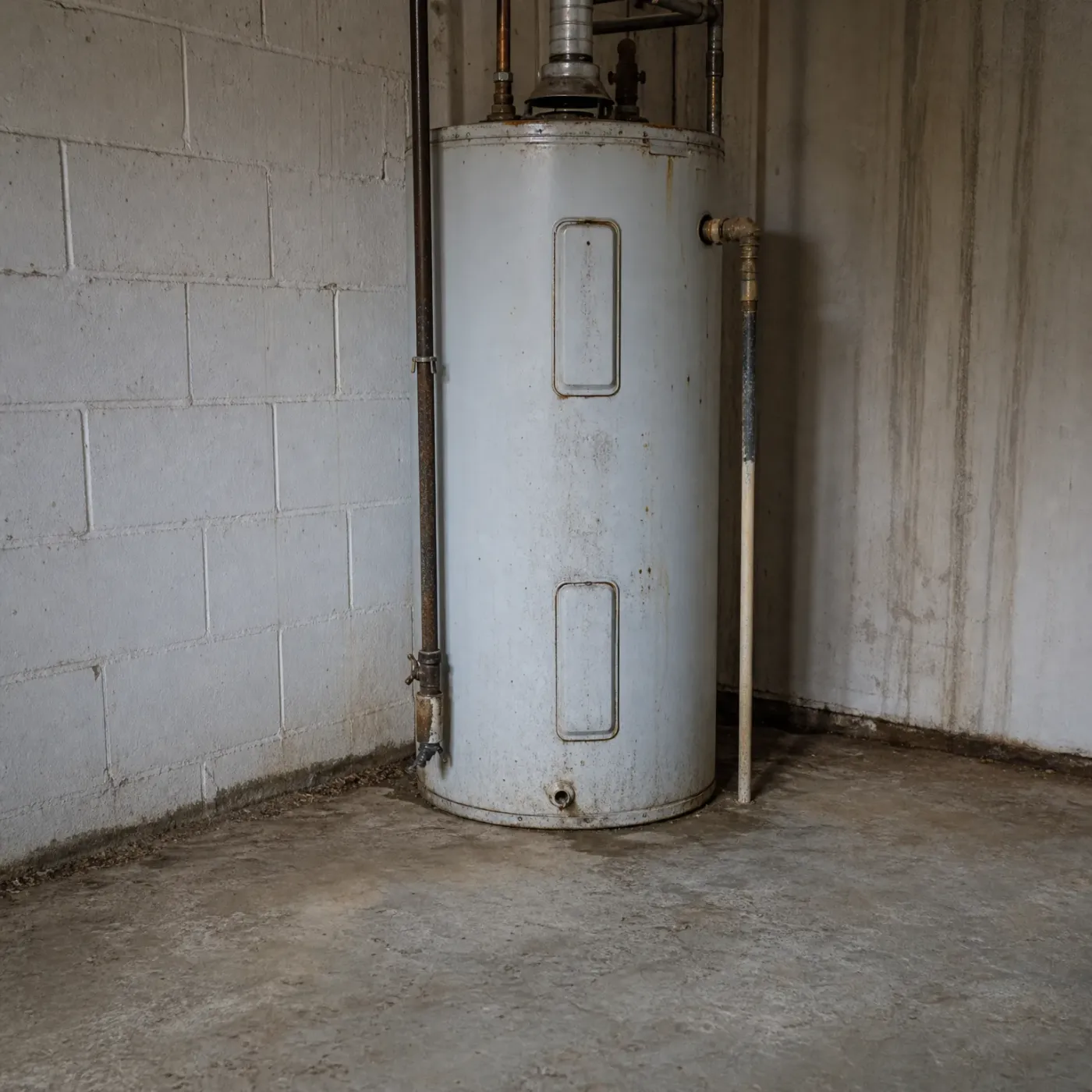
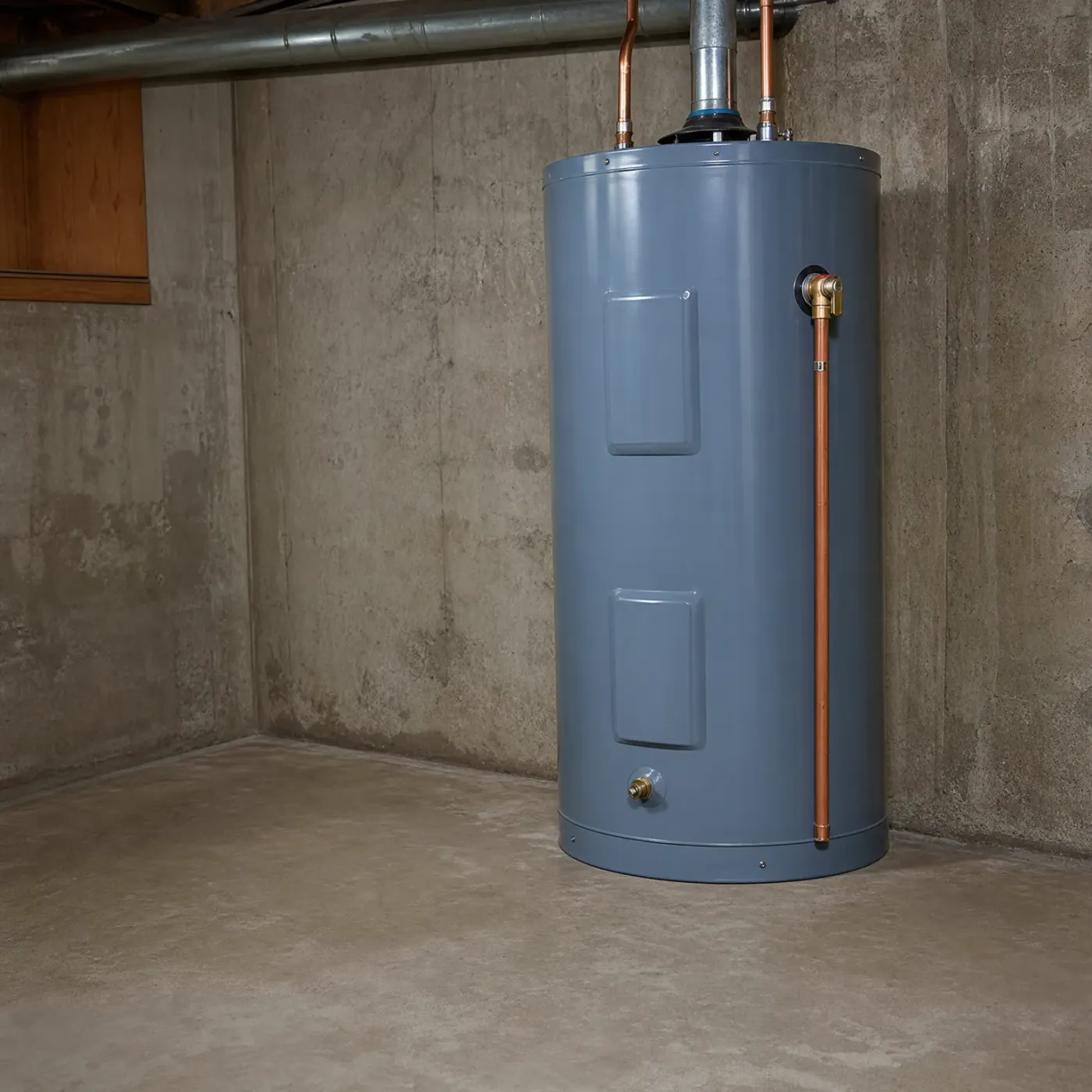
A local pro for your water heater repair
You could flush the tank yourself, try a chlorine treatment, swap the anode rod, and still have that smell come back in a month if the real cause wasn't what you guessed. A licensed plumber can test the water and the rod itself and tell you which one it actually is. That saves you from buying the wrong part or chasing the wrong fix twice. It also saves the parts nobody enjoys: searching through contractors, calling a few to see who even answers, explaining the smell and the tank's history to each one, then sitting with quotes trying to compare them fairly. In a state where almost every home runs on an electric water heater, this is a common enough problem that getting it looked at properly, once, by someone who knows what they're checking for, is worth more than another round of guessing.

Why it comes back after flushing
Flushing the tank clears out the water sitting inside it, but the anode rod stays the same. If magnesium is what's feeding the bacteria, new water sitting against that rod will start smelling again within days or weeks. The rod itself has to change for the smell to stop for good.

What well water changes
Homes on well water carry more sulfur to begin with, so the bacteria have more to work with. City water in Florida is treated with chlorine, which keeps the bacteria down on its own, but that chlorine fades once it sits in a hot tank for a while. Either way, the rod and the water both play a part.
90.4% of homes statewide heat with electricity
Almost every home in Florida runs an electric water heater, yours most likely included. That matters here because electric tanks run warm rather than hot enough to keep sulfur bacteria from taking hold, which is why the smell shows up so often in this state.
ACS 2020-2024 5-year B25040
What the Smell Comes Down To
- The smell comes from sulfur bacteria reacting with the anode rod, not from anything dangerous in your water.
- Flushing the tank or swapping the rod yourself can work, but the smell often returns if you guessed wrong about the cause.
- A plumber who tests the water and the rod can tell you which one is actually feeding the bacteria.
- Electric water heaters, which run in most Florida homes, run warm enough for sulfur bacteria to take hold.
- Getting matched with a plumber means you skip calling around and explaining the smell to each one separately.
- Once it's fixed the right way, the smell doesn't come back every few weeks.
That rotten egg smell is sulfur bacteria feeding off your anode rod, and in Florida, where electric water heaters run in most homes, the water stays warm enough for those bacteria to settle in and stay. None of this means your water is unsafe. It means something inside the tank is reacting in a way that keeps producing hydrogen sulfide until the actual cause gets found and changed.
You can flush the tank or swap the rod without knowing which one is the problem, and sometimes that works. Often it doesn't, and the smell is back within weeks because the water sitting against a magnesium rod starts the same reaction over again. A plumber who tests the water and checks the rod can tell you whether the rod material, the water itself, or both are behind it, and fix the one that's actually causing it instead of guessing.
Getting matched with one means you're not the one tracking down plumbers, calling a handful of them, or repeating the same description of the smell to each one before you even get a quote. That part is handled once you connect with someone who already knows what questions to ask.
Fixed the right way, this isn't something that comes back every month. The bacteria don't have anything left to feed on once the real cause is addressed, and that's the difference between a tank that stays clean and one you keep flushing out of habit.

Get the right pro for your water heater
Describe your water heater job once, to one pro.