Why your water heater is slow to recover in Florida
Tell a local repair pro what your water heater is doing.
You run the shower, step away, and by the time you come back the hot water is gone or never showed up strong to begin with. In most Florida homes that water heater runs on electricity, and when recovery slows down it usually means something inside it needs a look, not that you did anything wrong.
A slow recovery can come from a few different places. One heating element can fail while the other still works, so you get some hot water, just not enough and not for long. Sediment can build up at the bottom of the tank and sit between the lower element and the water it is supposed to heat. A thermostat can drift or fail and stop telling the element to run long enough. These are different problems with different fixes, and guessing from the outside only gets you so far.
Finding out which one you have usually means getting a licensed plumber or electrician out to test the elements, check the thermostat settings, and look at the tank itself. That is its own chore: searching for someone local, calling a few numbers, explaining the same symptoms more than once, then sitting with quotes that don't line up with each other because no two of them looked at the same thing.
This page skips that part. Tell it what your water heater is doing, and it matches you with a contractor who works on this kind of problem in Florida homes, and that contractor reaches out to you directly. No list of names to sort through, no retelling the story from scratch on every call.
What they find once they're out there, and what it takes to fix, depends on your unit. But getting to that point, the part where someone qualified is actually looking at your water heater, is the part this page takes off your hands.
Why is my water heater taking so long to heat up again?
You notice it most when someone's in the shower and the water starts running lukewarm, or the next person has to wait longer than usual for it to heat back up. With a houseful of people and the Florida heat on top of it, a water heater that drags its feet turns into a daily annoyance fast. Something inside it is working harder than it should, or not working at all.
A failing heating element or a buildup of sediment is usually why
Most homes in Florida run electric water heaters, and those heat water with one or two elements inside the tank. When an element burns out or weakens, the tank takes much longer to bring water back up to temperature, or one of the two elements stops helping at all. Sediment settling at the bottom of the tank causes the same slowdown, since it sits between the lower element and the water and blocks the heat from getting through. Either way, the tank still works, just slower than it used to. For a household that counts on hot water being ready when it's needed, that lag is the first sign something inside the tank needs a look.
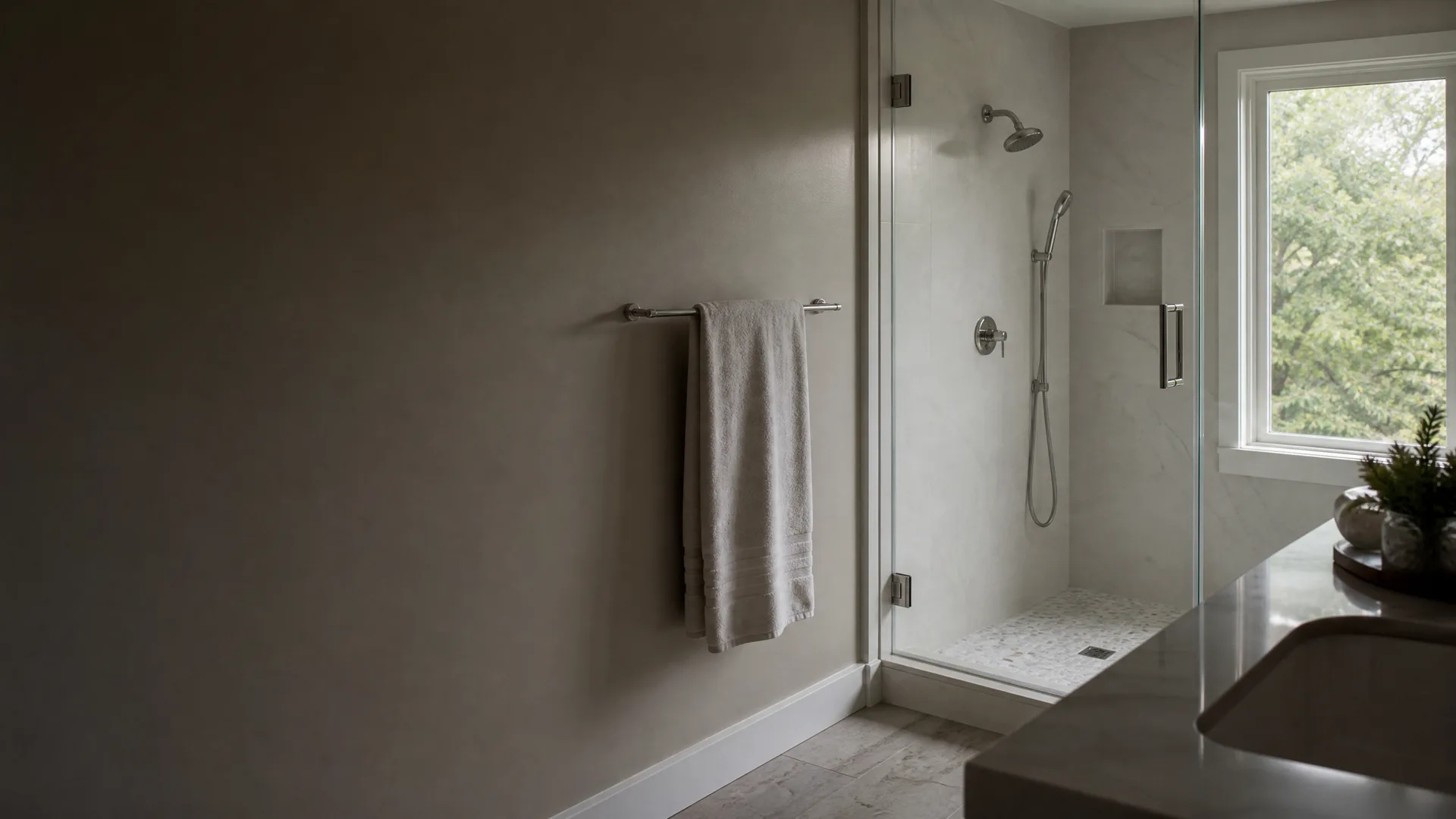
You're up before the rest of the house, trying to get a shower in before work. You turn the water on, give it a minute to heat the way it always has, and step in anyway because you're already running late. It never gets past lukewarm. No steam on the mirror, no fog on the window. The towel's still hanging dry on the rail where you left it. You stand there a second longer, waiting for it to catch up, and it doesn't. Someone else in the house is going to want a shower in twenty minutes, and right now there's nothing coming for them either.
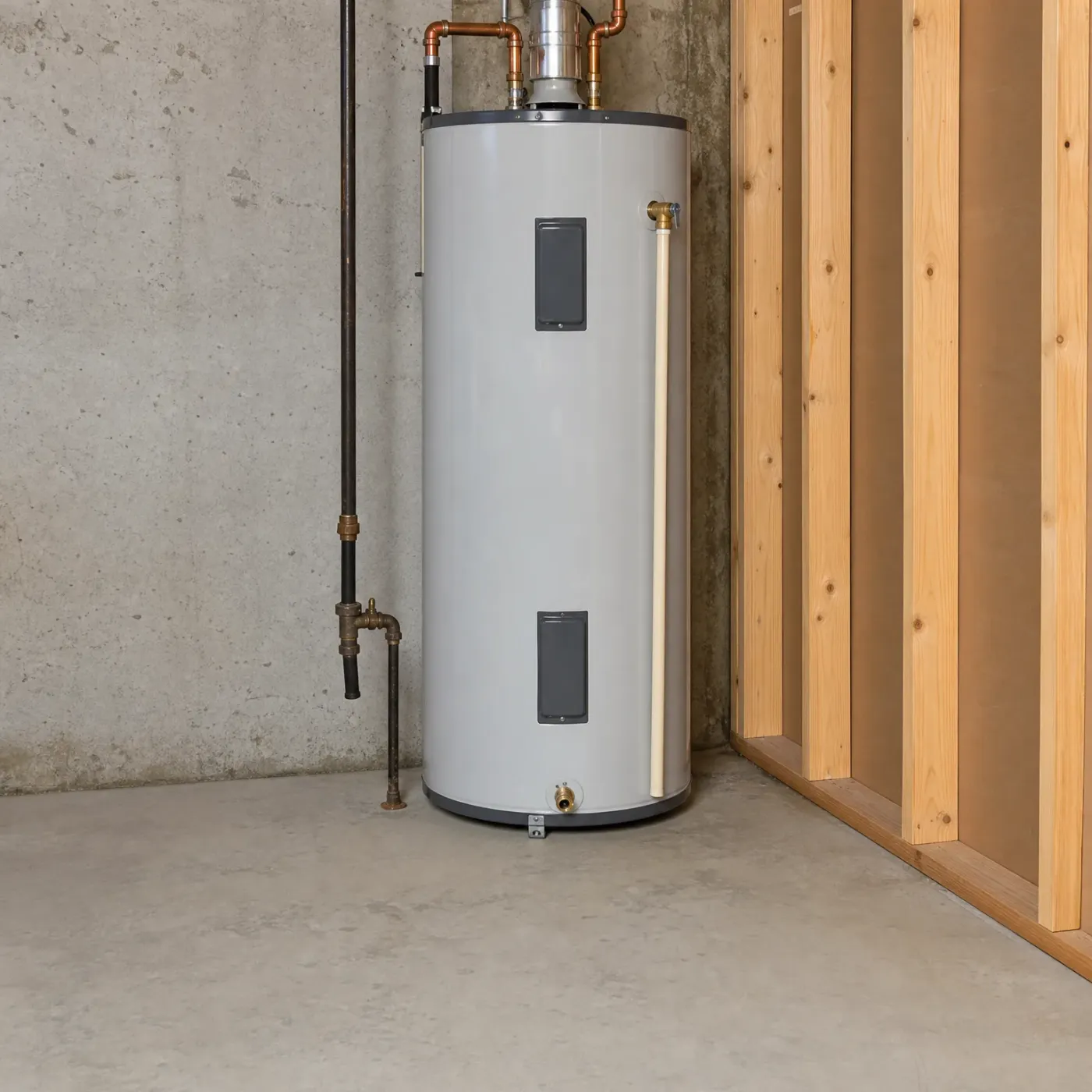
One of the elements is still heating the way it should, so recovery is slow but steady and everyone can plan around it.
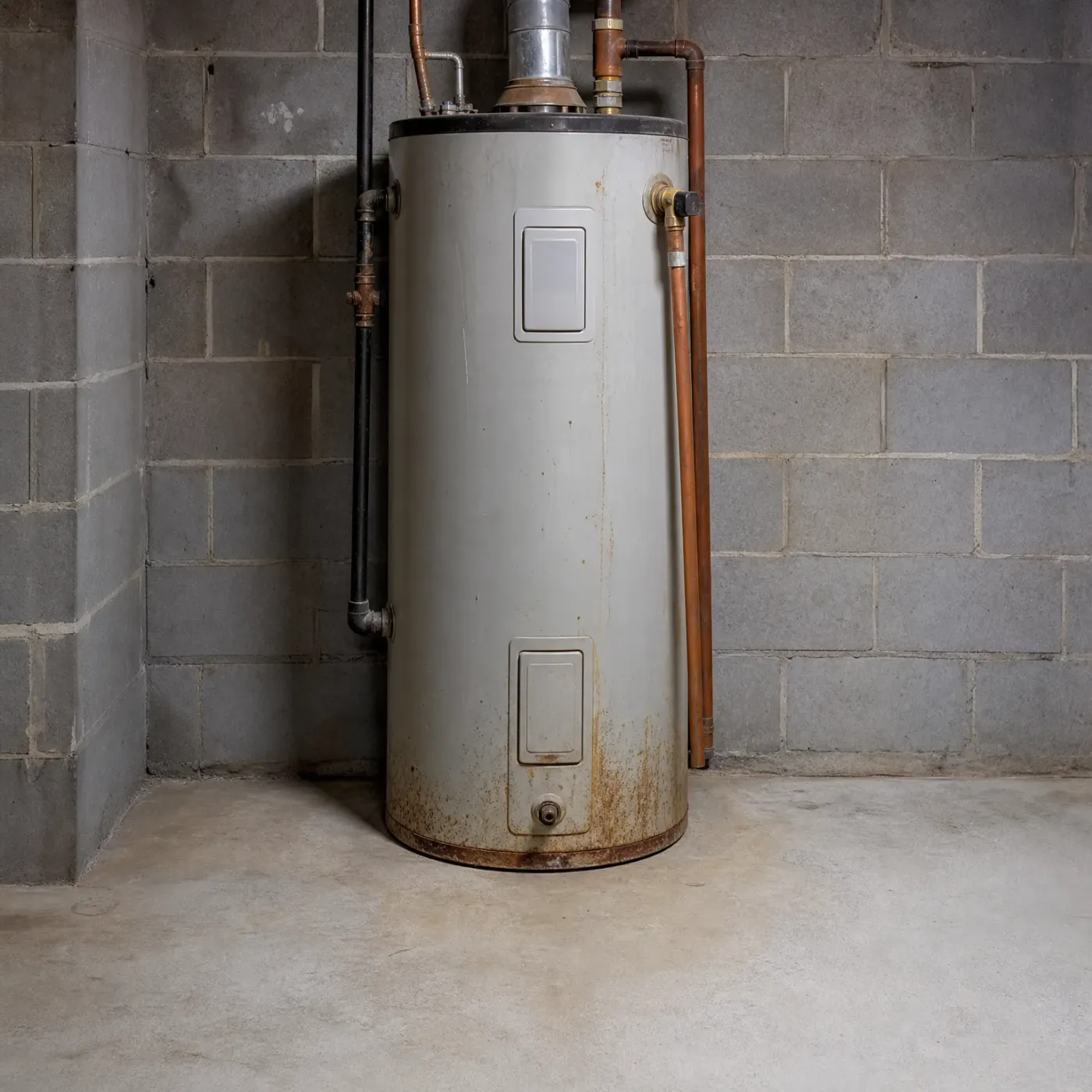
Rust has worked through the base and the seams, and a tank in this shape is at risk of leaking, not just heating slower.
Asking costs nothing, and the choice to hire stays yours.
What slows an electric element down
An electric water heater usually has two elements, one near the top of the tank and one near the bottom. They don't run at the same time. The top one heats first, then hands off to the bottom one, which does most of the work of bringing a full tank up to temperature. If either element is coated in mineral scale or starting to fail, that handoff takes longer, and the tank falls behind the demand from showers, dishes, and laundry happening back to back. The thermostat on each element also has to read the water temperature correctly. If it's misreading, the element may shut off before the water's actually hot.
Checking it yourself before calling anyone
Look at the breaker first. A tripped breaker, or one that trips repeatedly, usually points to a failing element drawing too much current rather than a simple reset fixing it for good. Feel the tank itself. If it's warm to the touch partway down the side, insulation may have shifted or failed, letting heat escape before it reaches the tap. You can also time it: run the hot water until it goes cold, then check how long it takes to feel warm again at the same faucet. A consistent delay you can repeat points to the tank, not a fluke in how the house was using water that day.
Before you get your water heater repairAfter you get your water heater repair
Living with it as it is
You work around it. The first shower of the day goes fine, but you tell everyone else to wait twenty minutes between turns, or you run the dishwasher at night instead of after dinner. It's slow recovery, not no recovery, so the house adjusts and nobody's going without hot water. The tradeoff is you're managing a schedule around a tank instead of the tank keeping up with your house, and in the Florida humidity that's one more thing to plan around when you'd rather just turn the water on.
Having it looked at
A contractor can test the elements and the thermostat and tell you which one has failed or is wearing out, instead of you guessing from how the water feels. That means no more calling around to find someone who works on water heaters, explaining the lukewarm showers twice, and sorting through quotes on your own. You get matched with a contractor suited to the job, and they reach out to you. What they find and what it takes to fix is theirs to tell you once they're in front of the tank.
90.4% of homes statewide heat with electricity
Almost every home in Florida heats water with electricity. That means recovery speed comes down to the elements inside your tank, not a gas burner or its venting. When one element weakens, the whole house feels it at the same time, usually whoever showers last.
ACS 2020-2024 5-year B25040
Working the way it should
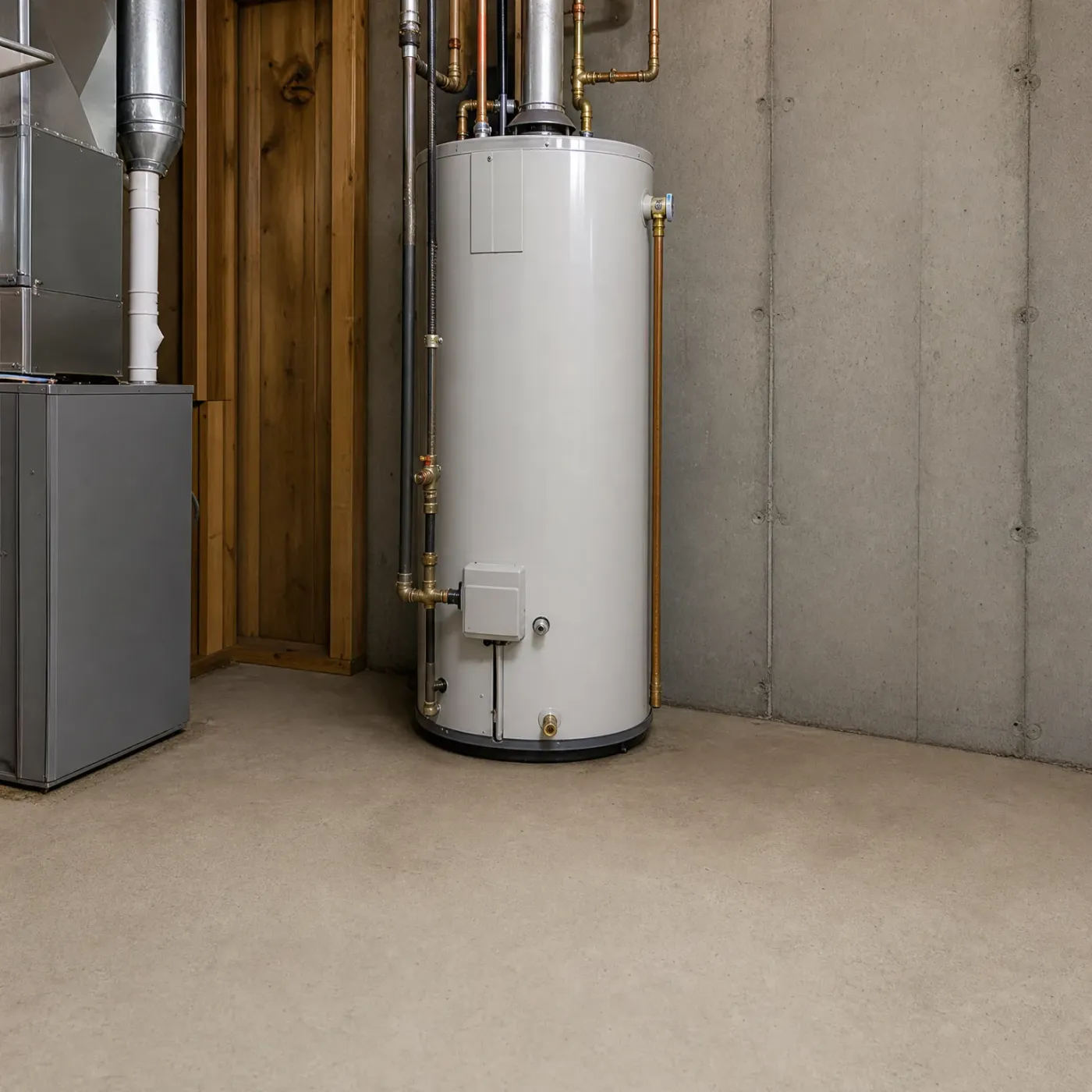
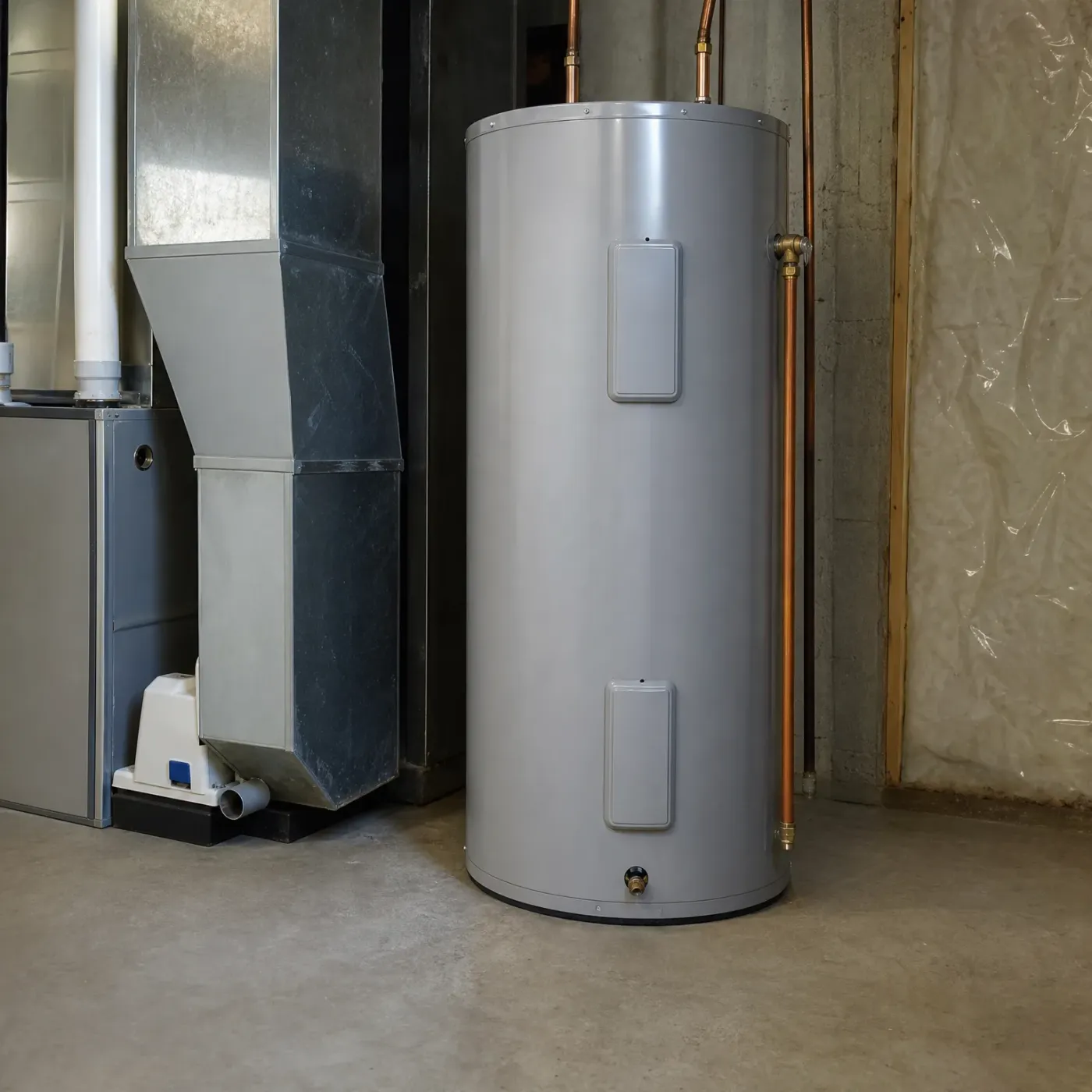
Tucked next to the furnace with its copper lines run clean, a tank like this heats on schedule and hands off from one element to the next without anyone noticing. Nobody in the house thinks about it, which is the point.
Past the point of slow
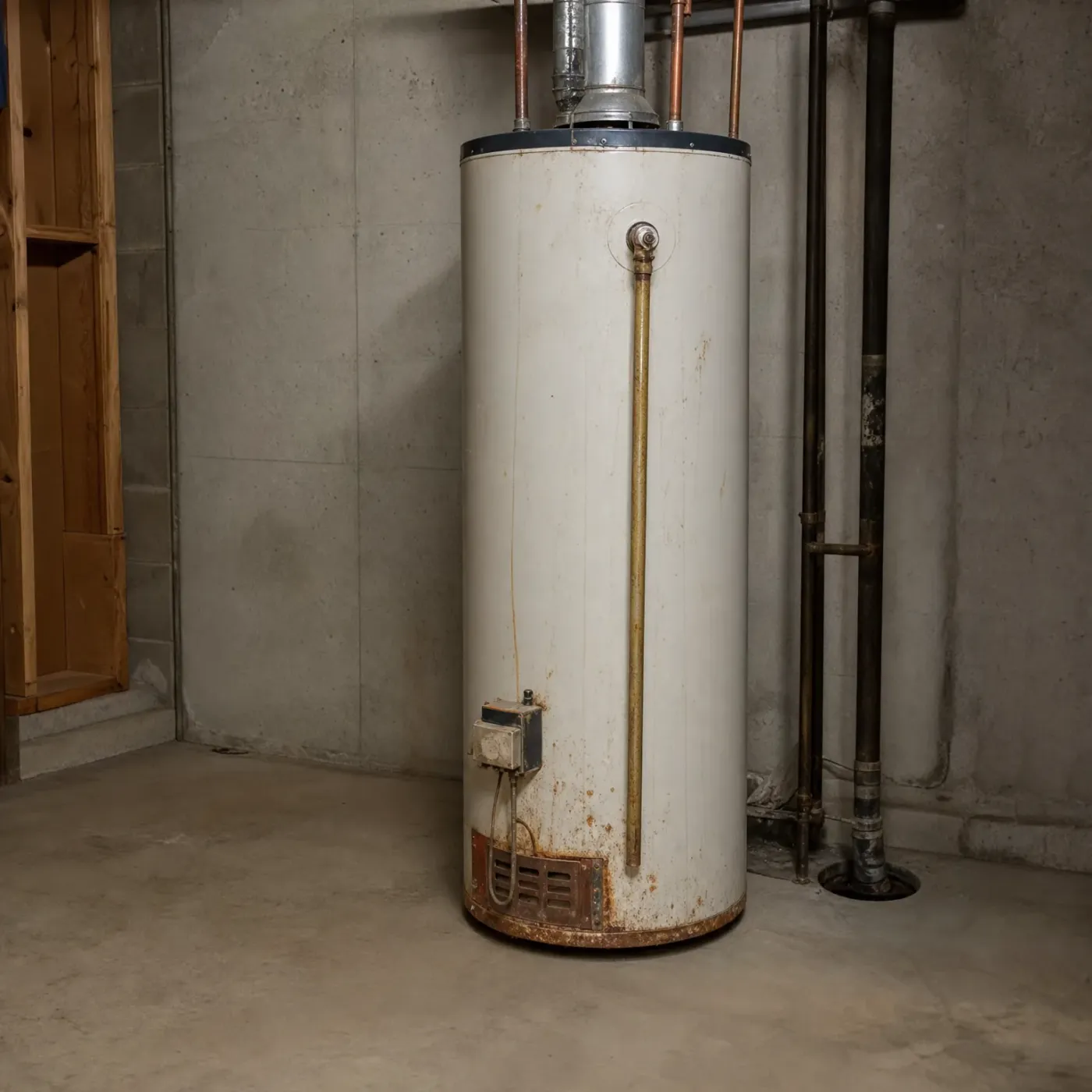
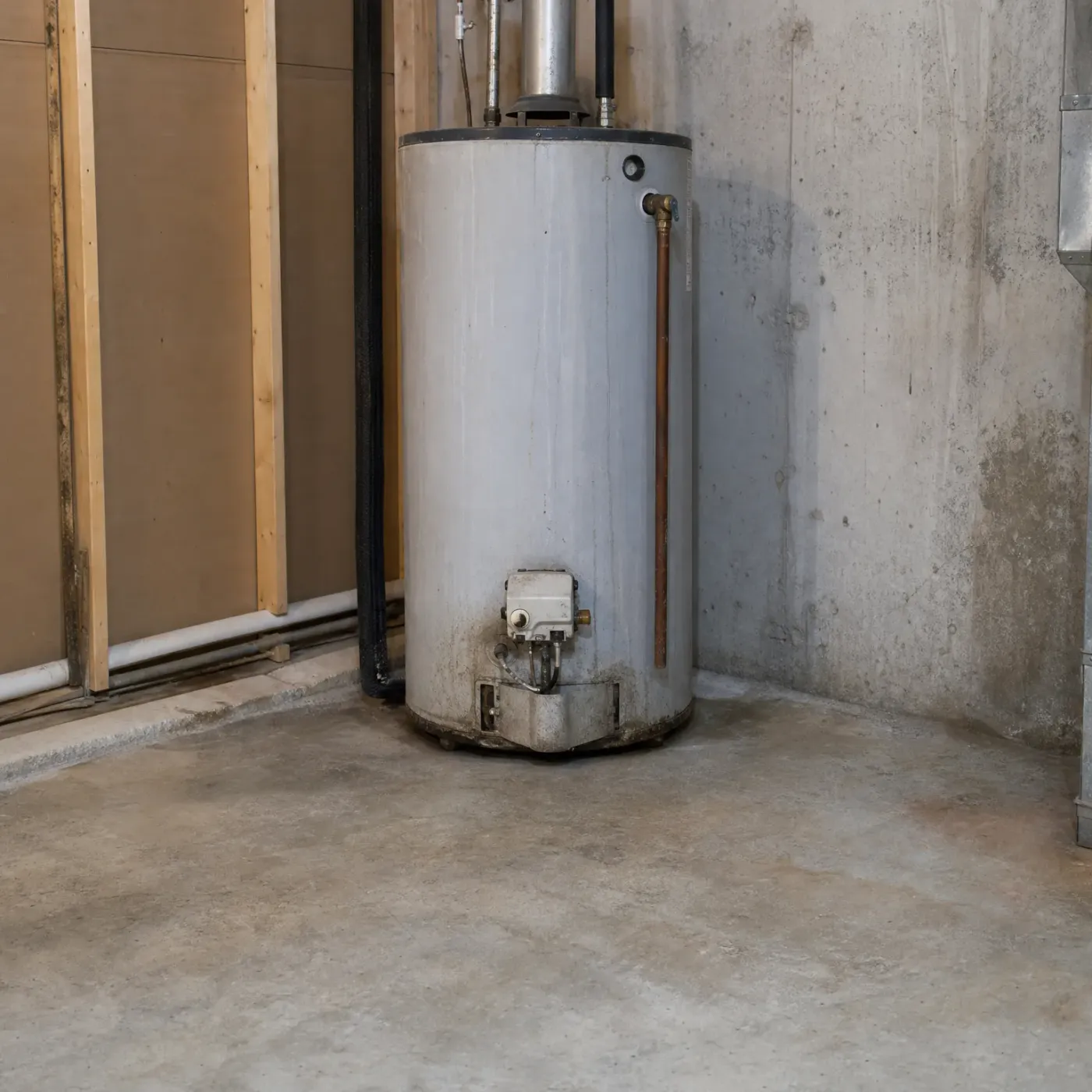
Rust has spread around the base and up into the burner assembly, and the flue pipe shows the same age as everything else in that corner. A tank in this shape doesn't just recover slow, it's closer to the end.
A water heater that takes longer to recover than it used to is usually down to one weak element, a bad thermostat, or sediment sitting on top of the lower element and getting in the way of the heat. None of those get better on their own, and the slow recovery you're seeing now is the tank telling you which one it is. Instead of calling around to find someone who works on water heaters, explaining the lukewarm showers and the long waits more than once, and sorting through quotes to figure out who to trust in your home, you can get matched with a contractor who handles this kind of repair and let them reach out to you. You'll still have a household to keep comfortable and hot water to depend on every morning. What changes is that you're not the one tracking down who can fix it.
Water Heater Repair
A pro who works on water heaters
Fill out one short form instead of calling around.