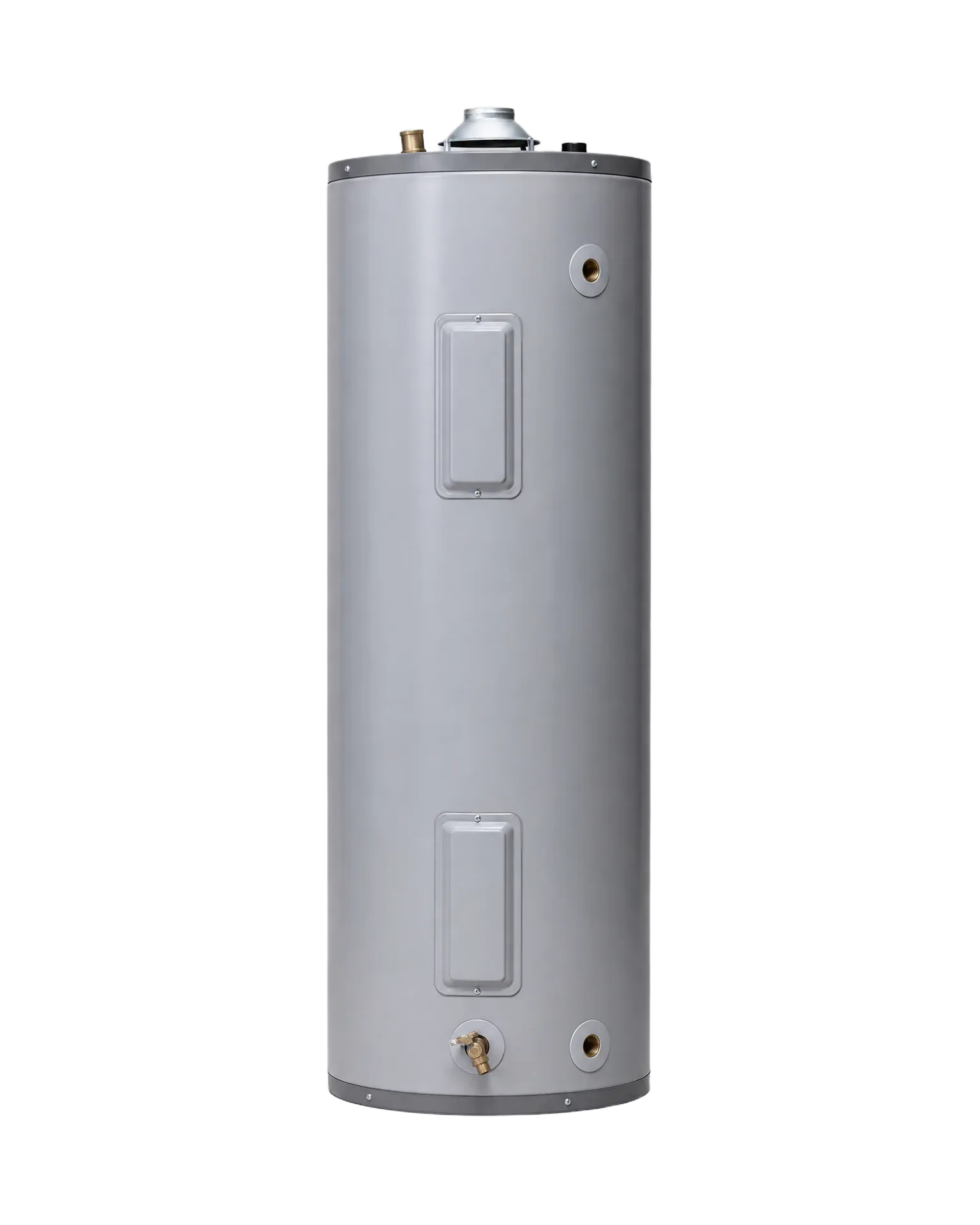
Normal popping
A light tapping or popping for a few seconds after hot water runs is sediment settling and water moving past it. The tank still heats fine and there's no rust or leak anywhere on the body.
You walk by the water heater and hear it crackling or popping, almost like a kettle. It's not loud enough to be an emergency, but it's new, and you want to know if it means the tank is failing or if this is something that just happens in a house like yours in Florida.
The popping comes from sediment, mostly minerals out of the water supply, that has settled on the bottom of the tank over time. When the heating element or burner fires, water trapped under that layer turns to steam and pushes up through it, and that's the popping sound you hear. Most homes in Florida heat water with electricity, so it's the lower and upper elements doing this work, and sediment sits right against them. The noise alone won't stop the water heater from running, but the buildup makes the elements work harder to heat the same water, and over months that extra strain is what leads to an element burning out early.
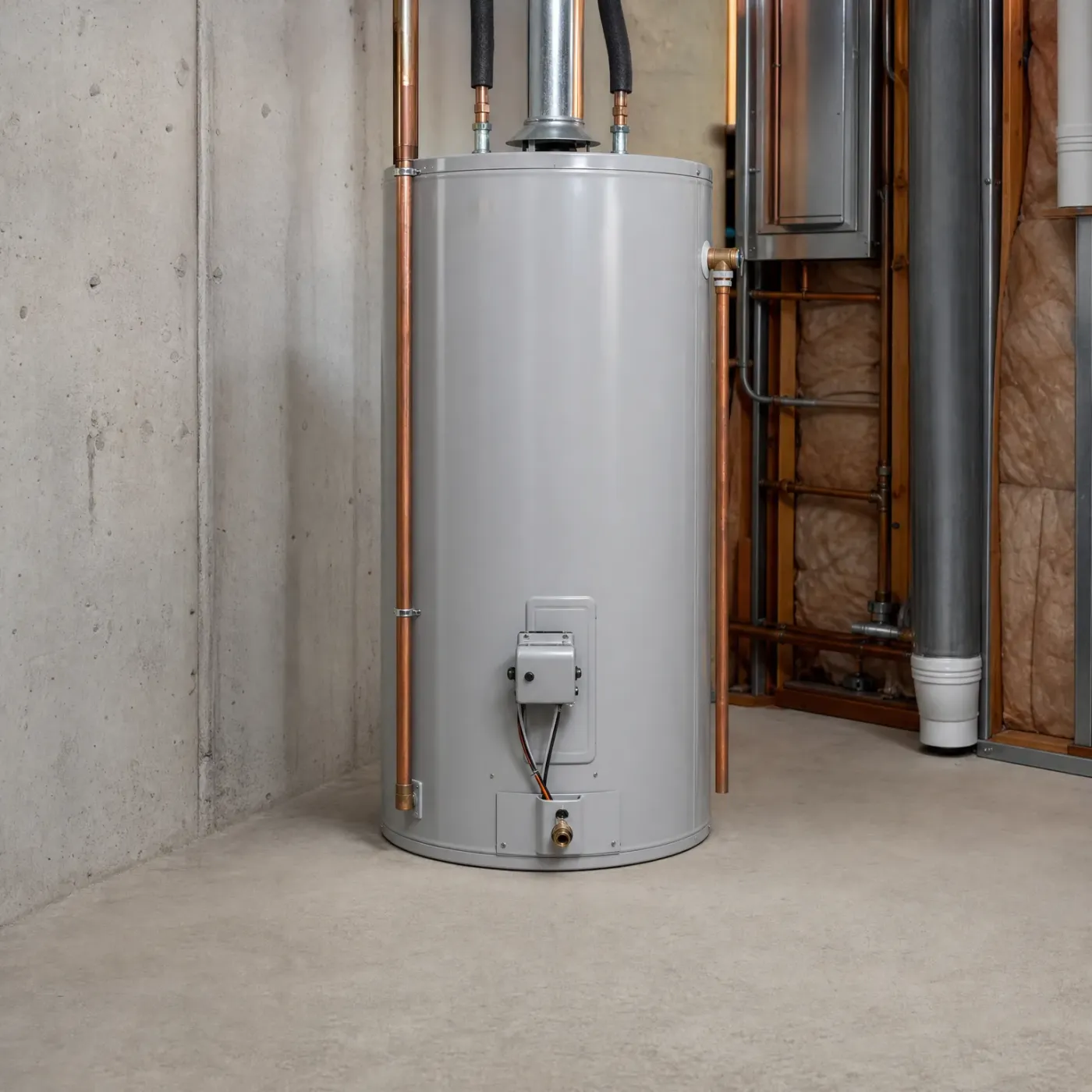
A light tapping or popping for a few seconds after hot water runs is sediment settling and water moving past it. The tank still heats fine and there's no rust or leak anywhere on the body.
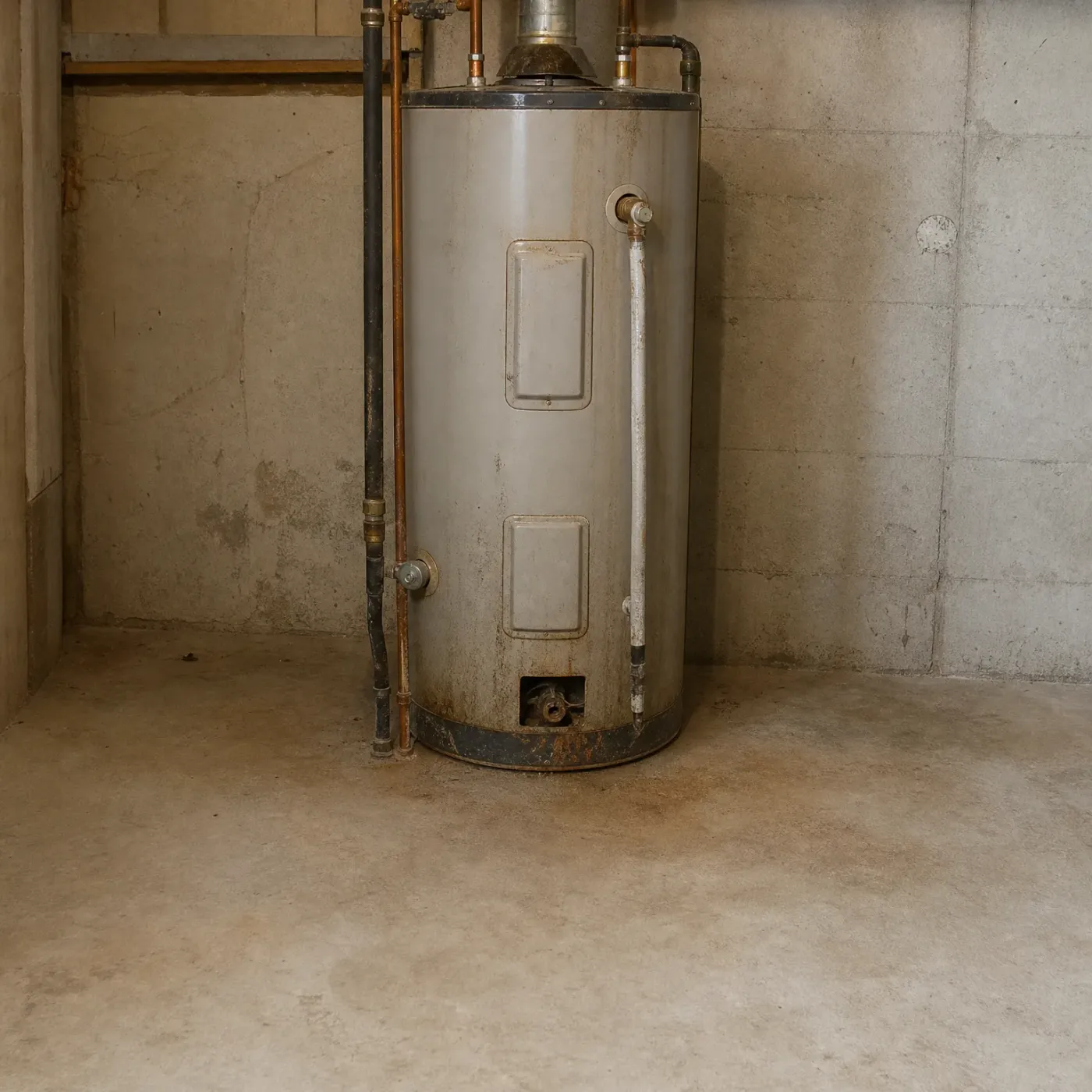
Loud, frequent banging paired with rust at the base or along the seams is different. That sediment layer has built up thick enough to trap water under it, and the tank itself may be corroding underneath.
Stand near the tank after someone runs hot water and listen. If you hear a short round of popping that fades out in a few seconds, that's sediment shifting at the bottom. If the popping is loud, happens almost every time the burner or element fires, and seems to be getting worse week to week, that's sediment building into a thick layer. The layer sits between the heating element and the water, so the tank works harder to get water hot. In Florida you're heating water all year, so that extra strain doesn't let up with a cooler season. Left alone, the buildup can also stress the tank itself, and a water heater that's straining is one that's closer to a leak.
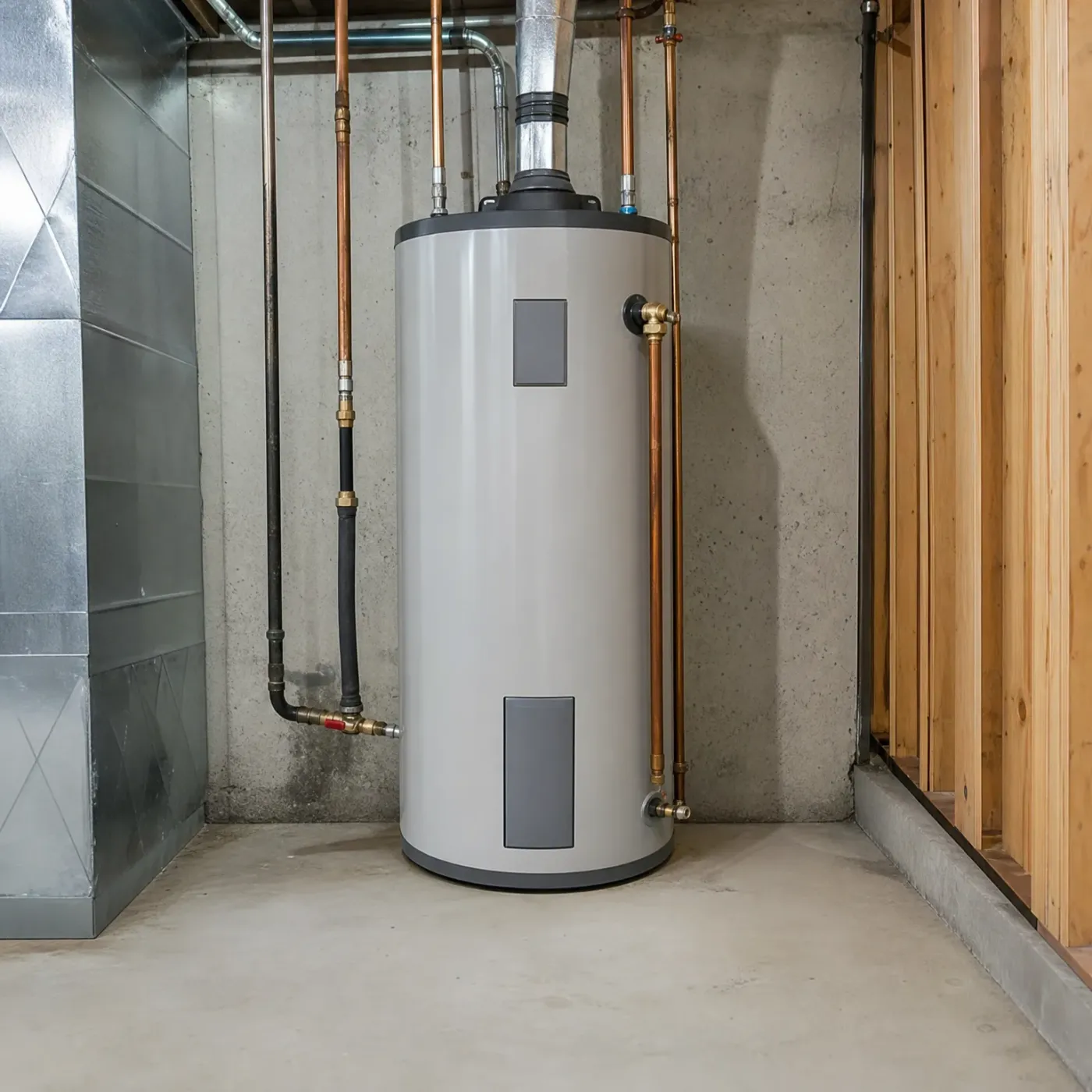
This is what a water heater doing its job looks like. The pipes run clean to the tank, the gas line sits steady, and the flue draws straight up. Any popping here is just a few taps after hot water runs, then quiet.
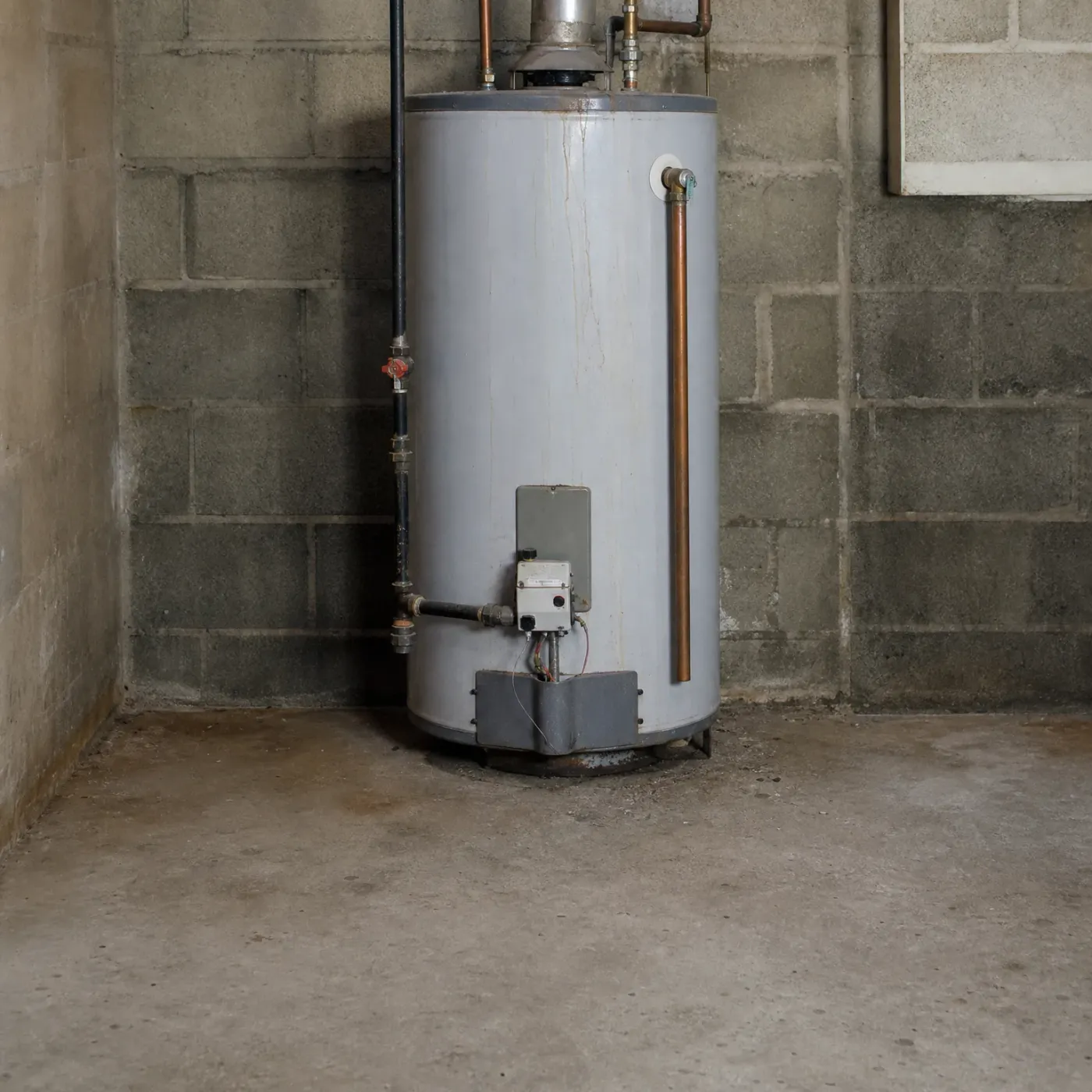
Here the popping doesn't quit. It's the sediment layer baked onto the tank bottom, thick enough that the burner has to fight through it to heat the water above. That layer traps heat against the steel, and over months it wears the tank out early.




Only one pro gets your request, so you hear from one company.
No charge to send it. You decide if you hire them.
Water doesn't arrive dirty enough to notice, but it carries calcium and other minerals, and every time the water heats, a little more of that mineral drops out and settles on the tank bottom. Over months it packs into a crust. The heating element, or the burner underneath a gas tank, sits right against that layer instead of against open water. When the element switches on, the water that's trapped inside and under the crust heats faster than it can escape, and it flashes straight to steam. That steam has to go somewhere. It pushes up through the sediment in small bursts, and each burst collapses the moment it hits the cooler water sitting above the crust. That collapse is the pop you hear, over and over, for as long as the element stays on. Electric tanks tend to pop lower on the body since that's where the lower element usually sits, closer to the sediment layer itself. Gas tanks pop closer to the bottom plate where the burner fires. None of this is a flaw in the tank. It's mineral content doing what it does when water gets heated the same way, day after day, for months at a stretch. The real cost shows up in recovery. Sediment acts like a blanket between the element and the water it's supposed to heat, so the tank works harder and slower to get the same result it used to get easily.
With almost all Florida homes heating water with electricity, your tank has an element firing straight into whatever has settled on the bottom. That sediment builds up over time and sits closer to the heat with every tank running on electric, which is exactly what makes the popping start.
ACS 2020-2024 5-year B25040
A few pops after hot water runs and then quiet is sediment, and it isn't hurting anything. Loud, frequent banging along with slow hot water, rust in the water, or any sign of water at the base is the tank telling you it's under strain, and that's worth having someone look at before it fails outright. If you're at the point of wanting a second opinion, the request connects you with one licensed local contractor, someone who works on electric tanks all over Florida and has opened up plenty of them with this same sediment problem. You won't get a handful of companies calling you back at once. Just someone who already knows what a tank banging like this usually needs, ready to take a look.

Send one request and you're done looking